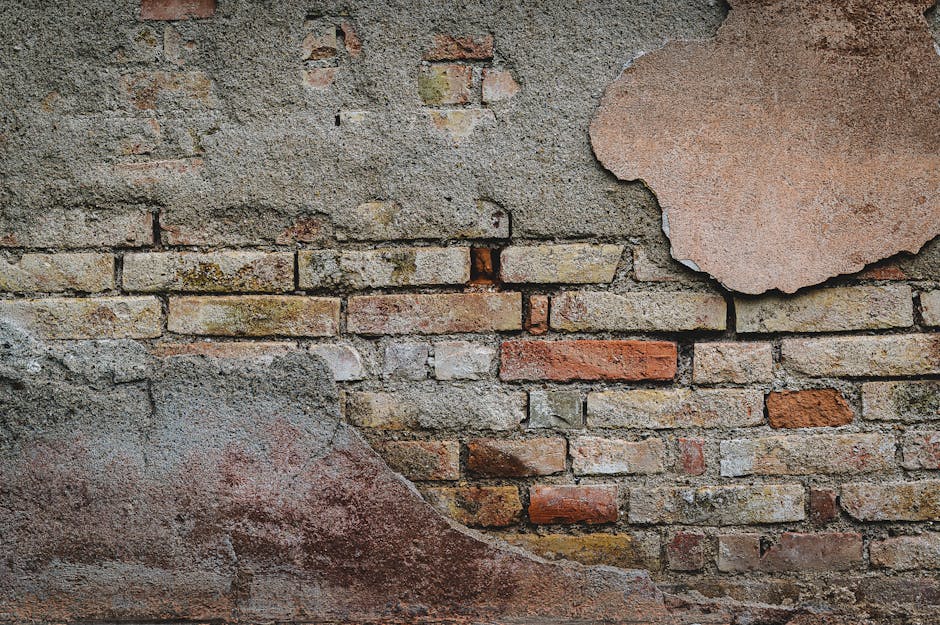
A crack in a brick wall rarely tells the whole story. Property managers and building owners who treat masonry damage as a cosmetic issue often learn the hard way that the real problem runs much deeper. Commercial masonry contractors bring a structural mindset to every inspection, understanding that what appears on the surface is usually a symptom of forces at work inside the wall assembly, below the foundation, or across the building envelope. When a block wall cracks or a brick facade begins to spall, the building is sending a signal. Ignoring it does not make the underlying condition disappear. It makes it more expensive.
Table of Contents
- Why Masonry Damage Is Never Just a Surface Issue
- Common Signs Your Commercial Masonry Needs Immediate Attention
- Block Walls, Brick Repair, and Exterior Wall Systems
- Tuckpointing vs. Replacement: What a Commercial Masonry Contractor Recommends
- Retaining Walls and Structural Support in Commercial Settings
- Why Masonry Failure Can Signal Deeper Building Problems
- How to Choose the Right Commercial Masonry Contractor for Your Project
- Schedule a Masonry or Exterior Construction Review with TekTone Builders
Why Masonry Damage Is Never Just a Surface Issue
Masonry materials are inherently durable, but they are not immune to the forces that act on every commercial building. Water, soil movement, thermal expansion, and structural loading all place continuous stress on walls, foundations, and facades. A crack that appears minor today may trace back to a drainage failure that has been saturating the wall cavity for years. Spalling brick is not just an aesthetic concern. It means moisture is trapped inside the masonry unit, and freeze-thaw cycles or salt crystallization are breaking the material apart from within.
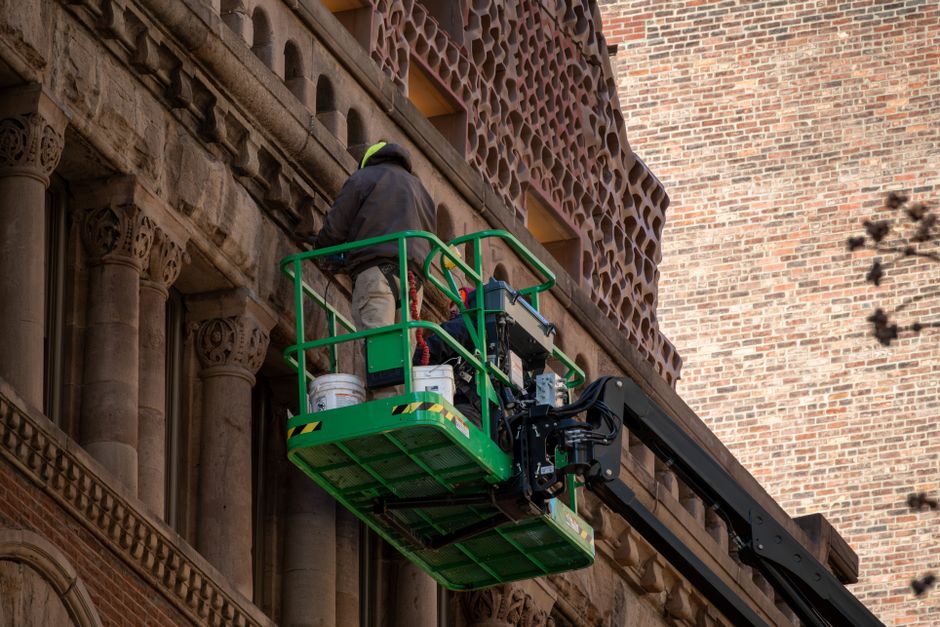
Experienced commercial masonry contractors approach every defect as a diagnostic clue. They do not simply fill the crack and move on. They ask what caused the movement, where the water is coming from, and whether the wall is still performing its structural role. Delaying a professional assessment can turn a $5,000 tuckpointing job into a $250,000 facade remediation. The cost difference comes down to whether the problem is caught while it is still confined to the mortar joints or allowed to spread into the structural backup, the steel lintels, and the interior finishes. TekTone Builders treats every masonry inspection as a structural investigation, not a patch-and-paint exercise.
Common Signs Your Commercial Masonry Needs Immediate Attention
Cracks in Masonry: Hairline vs. Structural
Not all cracks carry the same weight. Hairline cracking in mortar joints often results from minor thermal movement or initial settlement and may remain stable for decades. The concern escalates when cracks widen, propagate through masonry units rather than around them, or form recognizable patterns. Stair-step cracking along mortar joints in a block or brick wall frequently indicates differential settlement. One section of the foundation is moving relative to another, and the masonry is recording that movement in real time.
Horizontal cracks in concrete block walls deserve particular attention. These often signal lateral pressure from soil or hydrostatic loading behind the wall. A basement or retaining wall that develops horizontal cracking is under stress that exceeds its design capacity. A qualified commercial masonry contractor maps crack patterns, measures widths, and uses crack monitors to determine whether movement is active or dormant. That determination drives the repair strategy. Active cracks require addressing the root cause before any cosmetic repair can hold.
Water Intrusion and Efflorescence

White, powdery deposits on brick or block surfaces are not harmless mineral residue. Efflorescence is direct evidence that water is moving through the wall assembly, dissolving salts from the masonry or mortar, and depositing them on the surface as the water evaporates. Where efflorescence appears, bulk water is present somewhere it should not be.
Persistent moisture inside a commercial wall system creates a cascade of problems. In colder climates, freeze-thaw cycling expands trapped water and fractures masonry units from within. In humid environments, chronic dampness supports mold growth inside wall cavities and can degrade interior air quality. Water that reaches steel lintels, anchors, or reinforcing bars initiates corrosion that expands the steel and cracks the surrounding masonry. Behind brick veneer, saturated wall ties eventually rust through, severing the connection between the veneer and the structural backup. A wall that looks intact from the outside may be structurally compromised behind the surface.
Foundation Movement Signs
Masonry distress rarely occurs in isolation. When walls crack, other parts of the building often show related symptoms. Doors that stick or no longer latch, uneven floor surfaces, and gaps opening between walls and ceilings all point to foundation movement. The masonry walls are simply the most visible indicators of a problem that originates below grade.
Retaining walls present their own set of warning signs. A retaining wall that leans, bows, or shows separation between blocks is experiencing pressure that exceeds the wall's ability to resist it. The cause is almost always water. Inadequate drainage behind the wall allows hydrostatic pressure to build, pushing the wall outward over time. Foundation movement and retaining wall failure both require collaboration between a structural engineer and experienced commercial masonry contractors. The engineer calculates loads and specifies reinforcement. The masonry contractor executes the repair with materials and methods that restore both strength and water management.
Block Walls, Brick Repair, and Exterior Wall Systems
Block Walls: The Backbone of Commercial Structures
Concrete masonry units, or CMU, form the structural core of countless commercial buildings across the United States. Block walls carry floor and roof loads, resist lateral forces, and provide fire-rated separations between occupancies. Their strength and versatility make them the standard for load-bearing commercial construction. That same structural role means block wall failures carry higher stakes than veneer issues.
Mortar joint deterioration is the most common aging mechanism in CMU walls. Weather exposure, water penetration, and simple time erode the mortar that bonds the blocks together. Vertical cracking often traces to settlement or thermal expansion that the wall's control joints could not accommodate. Bowing or inward deflection of block walls below grade points to hydrostatic pressure and drainage failure. Repair methods range from epoxy injection for structural cracks to carbon fiber reinforcement for walls under lateral stress. In advanced cases, partial wall reconstruction becomes necessary. The right approach depends on a thorough structural assessment, not a visual estimate.
Brick Repair and Matching Existing Materials
Commercial brick facades carry both structural and aesthetic weight. When repair becomes necessary, matching the existing brick and mortar is not a matter of preference. It is a technical requirement. Mortar that is stronger than the surrounding brick creates a destructive mismatch. The mortar resists movement while the softer brick absorbs stress, leading to spalling and unit failure. Historic masonry is particularly vulnerable to this error, as older bricks were fired at lower temperatures and have lower compressive strength than modern units.
A skilled commercial masonry contractor approaches material matching as a forensic exercise. Mortar samples are analyzed for color, texture, aggregate size, and compressive strength. Brick matches consider dimensions, surface texture, absorption rate, and color range. For historic or architecturally significant facades, contractors source salvaged brick from demolition projects or work with specialty manufacturers to produce custom-fired units. The goal is a repair that performs structurally and reads as continuous with the original construction.
Exterior Wall Repair: Beyond the Veneer
A commercial exterior wall is not a single layer. It is an assembly of components, each with a specific function. The outer veneer, whether brick, stone, or block, sheds the bulk of the rain. Behind it, an air gap allows moisture that penetrates the veneer to drain downward. Flashing at openings and shelf angles directs that water out through weep holes. Inside the air gap, insulation and a water-resistive barrier protect the structural backup wall and the building interior.
When exterior wall repair addresses only the visible surface, the underlying deficiencies remain. Cracked sealant at control joints lets water behind the veneer. Clogged weep holes trap moisture inside the cavity. Failed flashing at window heads channels water into the wall instead of out of it. A repair that repoints the brick but ignores the drainage plane will fail again, often within a few years. Water management is the single most important factor in long-term exterior wall performance. Commercial masonry contractors who understand wall assembly physics design repairs that restore the full drainage path, not just the outer surface.
Tuckpointing vs. Replacement: What a Commercial Masonry Contractor Recommends
The decision between tuckpointing and full replacement shapes both the budget and the lifespan of a masonry repair. Tuckpointing, the process of removing deteriorated mortar to a uniform depth and replacing it with fresh mortar, is appropriate when the masonry units themselves are sound and the wall remains structurally stable. The procedure restores weather resistance, arrests further joint deterioration, and can extend a wall's service life by decades.
Full replacement becomes necessary when the masonry units are cracked, spalled, or crushed. It is also required when the wall has lost lateral stability or when water damage has compromised the structural ties and anchors inside the cavity. A commercial masonry contractor makes this determination through direct testing. A hammer test reveals delaminated or hollow-sounding brick. A moisture survey maps water infiltration paths. Core samples confirm the condition of internal components. These diagnostic steps prevent the costly error of tuckpointing a wall that needs reconstruction.
The cost difference is significant. Tuckpointing typically runs 30 to 50 percent of the cost of full replacement, making it the preferred option whenever conditions allow. However, tuckpointing a structurally compromised wall wastes that investment. The new mortar cannot stabilize a moving wall, and the underlying deterioration continues behind the repaired joints. Matching existing materials remains non-negotiable regardless of the approach. Building codes and preservation standards both require that repairs match the original construction in strength, permeability, and appearance.
Retaining Walls and Structural Support in Commercial Settings
Retaining walls on commercial properties do more than hold back earth. They support parking lots, protect building foundations, and manage grade transitions that shape the entire site. When a retaining wall shows signs of distress, the consequences extend beyond the wall itself. A failing retaining wall can undermine adjacent pavement, destabilize slopes, and create liability exposure for the property owner.
Most retaining wall failures trace to water. Inadequate drainage behind the wall allows hydrostatic pressure to build, exerting forces that the wall was not designed to resist. Improper base compaction leads to settlement and rotation. Overloading from construction activity or stockpiled materials above the wall adds surcharge loads that exceed the original design assumptions. Cracking, leaning, or bulging in a retaining wall signals that failure is progressing and intervention is overdue.
Commercial masonry contractors design retaining wall repairs with drainage as the priority. Reinforced block walls include gravel backfill, filter fabric, and weep holes or drainage pipes to relieve water pressure. Segmental block walls rely on geogrid reinforcement and engineered drainage layers. Loading calculations account for soil type, water table conditions, and any surcharge from buildings, vehicles, or stored materials above the wall. A repaired retaining wall must manage water as effectively as it resists earth.
Why Masonry Failure Can Signal Deeper Building Problems
Masonry is the most visible part of a commercial building's structural system, but it is rarely the root cause of its own failure. Damage to brick, block, or stone often reflects problems originating elsewhere in the building. A vertical crack running through a block wall may trace back to slab settlement at the foundation. Water staining on an interior wall may originate from a roof drain that has been discharging against the facade for years. Failed expansion joints concentrate thermal movement into sections of the wall that cannot accommodate the stress.
The connection between masonry and the building's internal structure makes this relationship critical. Water that penetrates the masonry veneer eventually reaches steel lintels, shelf angles, and reinforcing bars. Corrosion follows, and as steel rusts, it expands with enough force to crack the surrounding masonry. This cycle accelerates until the structural connections are compromised. Commercial masonry contractors are trained to read these signals and trace them to their source. They coordinate with structural engineers to verify that the underlying frame, foundation, and drainage systems are functioning before committing to a repair scope.
Early intervention breaks the cascade. A water intrusion issue caught at the efflorescence stage requires repointing and drainage correction. The same issue left unchecked for several years can require lintel replacement, cavity cleaning, and interior drywall repair. The cost multiplies, and the disruption to building occupants grows with it. Property owners who treat masonry damage as a structural warning rather than a surface blemish protect both their buildings and their operating budgets.
How to Choose the Right Commercial Masonry Contractor for Your Project
Selecting a contractor for commercial masonry work requires looking past residential portfolios and patio projects. Commercial buildings involve structural loads, life-safety requirements, and coordination with other trades that residential work does not address. Verify that any contractor under consideration holds the appropriate licensing, insurance, and bonding for commercial projects in your state. These credentials are not formalities. They protect the property owner from liability and ensure the contractor operates under established standards.
Ask about the diagnostic process. A qualified commercial masonry contractor uses moisture meters to map water infiltration, crack monitors to track movement over time, and core sampling when internal conditions need verification. Contractors who rely solely on visual inspection may miss conditions that will undermine the repair. Request references from projects of similar scope, whether block wall repair, brick facade restoration, or retaining wall reconstruction. Speak with those references about how the contractor handled unexpected conditions and whether the repair has held up over time.
TekTone Builders brings a structural perspective to every masonry assessment. Our review process examines the wall assembly, the drainage paths, and the connections to the building frame. We identify hidden issues before they become emergency repairs, giving property owners and facility managers the information they need to plan and budget with confidence.
Schedule a Masonry or Exterior Construction Review with TekTone Builders
A crack in a commercial wall is a deadline, not a suggestion. The longer it waits, the more it costs. TekTone Builders provides on-site assessment, diagnostic reporting, and engineered repair solutions for commercial masonry projects of every scale. Our team serves property owners, facility managers, and general contractors across the United States with a focus on structural integrity, water management, and long-term durability. Contact TekTone Builders today to schedule your masonry or exterior construction review and protect your building before a surface problem becomes a structural crisis.
Related reading: Commercial Gutters and Downspouts: Stop Silent Building Damage.