
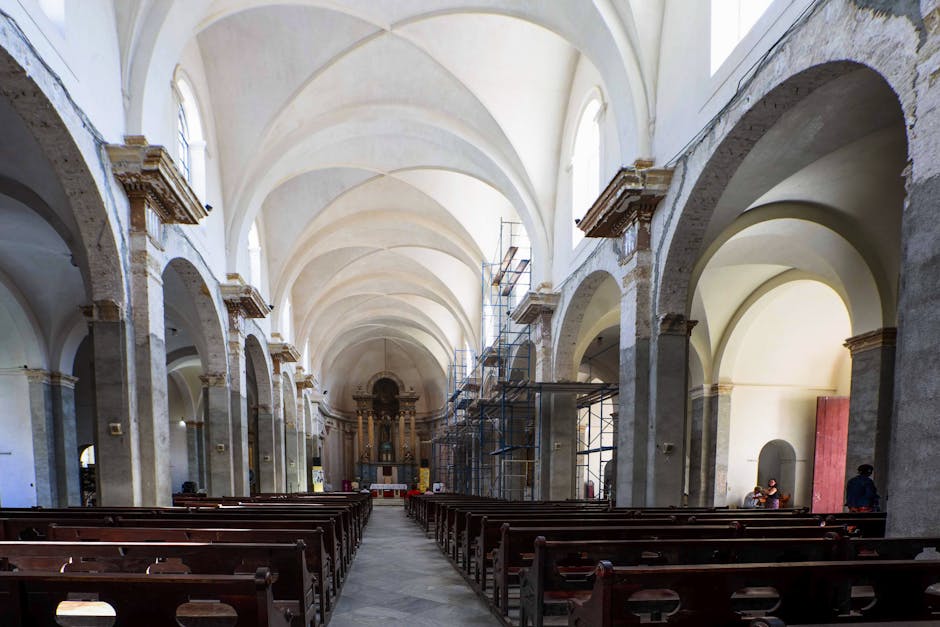
If you are searching for a church remodeling contractor in Tulsa who understands both construction and ministry, you already know the challenge. Your facility should support your calling, not compete with it. At TekTone Builders, we have spent years helping Tulsa-area congregations transform aging, cramped, or outdated buildings into spaces that serve their people and their purpose. We approach every project with a single conviction: the building exists for the ministry, not the other way around. This article walks you through why so many Tulsa churches are choosing to remodel, what the process looks like, and how to move forward with confidence.
Table of Contents
- Why Tulsa Churches Are Choosing to Remodel in 2026
- What Sets TekTone Builders Apart as a Church Remodeling Contractor in Tulsa
- Common Church Remodeling Projects We Handle in Tulsa
- The Church Remodeling Process: From Vision to Completion
- How to Budget for a Church Remodel in Tulsa (2026 Cost Insights)
- Frequently Asked Questions About Church Remodeling in Tulsa
- Start Your Tulsa Church Remodeling Project with TekTone Builders
Why Tulsa Churches Are Choosing to Remodel in 2026
Tulsa is a city with deep spiritual roots and a remarkable number of church buildings constructed between the 1970s and the early 1990s. Those structures have served faithfully for decades, but time takes a toll. Roofing systems age, HVAC equipment loses efficiency, and electrical panels struggle to support modern demands. In 2026, many congregations are facing a common decision: pour money into endless repairs or invest in a strategic remodel that resets the clock for another generation.
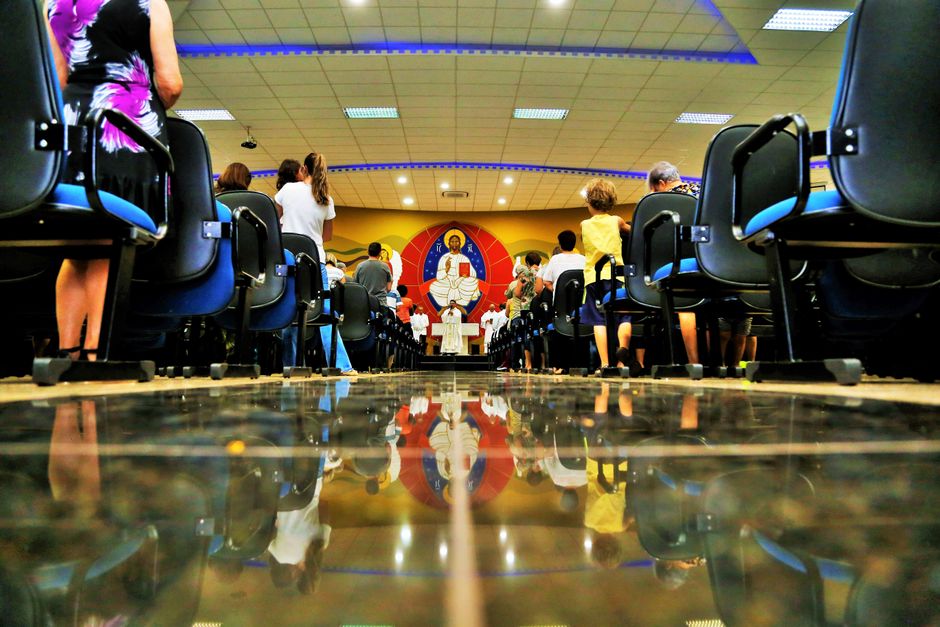
The shift in worship styles over the past fifteen years has also driven demand for renovation. Contemporary services rely on lighting, projection, and sound reinforcement that older sanctuaries were never designed to accommodate. Fixed pews, low ceilings, and hard plaster surfaces create acoustic and logistical headaches every Sunday. A well-planned remodel can open up sightlines, improve acoustics, and integrate technology without sacrificing the warmth and reverence of the space.
Congregational growth patterns have changed as well. Many Tulsa churches saw attendance rebound strongly after the pandemic, but that growth often came with a new problem: the people returned, but the building layout no longer fit how they gather. Children’s ministry space is tight, lobby areas bottleneck between services, and parking flow creates frustration. Remodeling allows a church to reconfigure existing square footage for better flow, rather than taking on the expense and disruption of a ground-up build. For leadership teams committed to stewardship, this is often the wisest financial path. Remodeling costs less per square foot than new construction, moves faster, and keeps the congregation rooted in the neighborhood they have served for years.
What Sets TekTone Builders Apart as a Church Remodeling Contractor in Tulsa
Local Expertise, Ministry-First Approach
TekTone Builders is not a national franchise parachuting into Tulsa for a project. We live and work here. That means we know the City of Tulsa permitting office, the Tulsa County inspection process, and the local subcontractor community by name. More importantly, we know the churches. We have worked across denominational lines, from Baptist and Methodist congregations to non-denominational and charismatic fellowships, and we understand that each tradition has its own functional and aesthetic priorities. A sanctuary remodel for a liturgical church looks different from a worship center renovation for a contemporary congregation, and we respect those distinctions from day one.

Every project we take on begins with a ministry vision session. Before we talk about wall finishes or lighting fixtures, we sit down with your leadership team and ask the questions that matter: What is God doing in your congregation right now? Who are you trying to reach? What frustrates your staff and volunteers about the current space? Those answers shape everything that follows. We have seen too many churches handed a set of blueprints that solve a construction problem but ignore a ministry problem. That will not happen on our watch.
Design-Build Efficiency for Renovation Projects
Church remodeling projects involve multiple disciplines: architecture, structural engineering, mechanical and electrical design, interior finishes, and technology integration. In a traditional design-bid-build model, the church hires an architect, waits for drawings, puts the project out to bid, selects a contractor, and then manages communication between separate entities. That process adds months to the timeline and often leads to finger-pointing when budgets and schedules drift.
TekTone Builders operates on a design-build model. Our in-house team and long-standing design partners handle architecture, engineering, and construction under a single point of accountability. When your project manager speaks, they speak for the entire process. That structure eliminates the gaps where costs hide and schedules slip. It also means we can phase construction intelligently around your church calendar. Midweek services, small groups, and Sunday worship continue with minimal disruption because we build the schedule around your ministry rhythm, not the other way around.
Common Church Remodeling Projects We Handle in Tulsa
Sanctuary and Worship Center Renovations
The sanctuary is the heart of the church, and remodeling it requires both technical skill and pastoral sensitivity. We regularly redesign platforms and stages for better sightlines, replacing cramped chancel areas with open, flexible layouts that accommodate choirs, bands, and spoken word with equal ease. Acoustic treatment is another priority. Older sanctuaries often suffer from excessive reverberation that muddies speech intelligibility and makes music sound washed out. We assess the room’s acoustic profile and install targeted treatments, absorptive panels, and diffusers that clarify sound without deadening the space. Seating gets reimagined as well. Many churches are moving from fixed pews to flexible chair configurations that allow the room to shift between worship, conferences, and community events.
Children’s Ministry and Youth Space Upgrades
Families with young children make decisions about where to attend church based heavily on the children’s environment. If your nursery feels dated or your check-in process creates a security concern, those families notice. TekTone Builders designs children’s ministry spaces that are secure, age-appropriate, and engaging. We install check-in stations with controlled access points, safety glass for visibility, and durable finishes that stand up to heavy daily use. Youth spaces get similar attention, with flexible gathering areas that support both large-group teaching and small-group discussion. The goal is to create rooms that kids want to be in and that volunteers find easy to manage.
Lobby, Fellowship Hall, and Multipurpose Room Remodels
First impressions happen in the lobby. If your entryway is dark, cramped, or confusing, guests form an opinion before they ever reach the sanctuary. We open up lobbies with better lighting, clear wayfinding, and hospitality features like welcome desks and coffee stations. Fellowship halls and multipurpose rooms present a different challenge: they need to serve meals on Wednesday night, host seminars on Saturday, and accommodate overflow seating on Sunday morning. We specify movable walls, stackable furniture, and durable flooring that transitions between uses without looking institutional. Kitchen and café upgrades are a common part of these projects, turning underused corners into gathering spaces that build community.
Technology and AVL Integration
Modern worship depends on technology, but too many churches retrofit AVL systems as an afterthought, resulting in visible cables, awkward speaker placement, and lighting that fights the room. TekTone Builders integrates audio, video, and lighting design into the architectural planning from the start. In-ceiling or hidden speaker arrays preserve clean sightlines. LED video walls and laser projectors deliver crisp visuals for lyrics, sermon notes, and live-stream feeds. Lighting control systems allow a single operator to transition smoothly between worship, sermon, and special events. For churches investing in online ministry, we design camera positions, broadcast lighting, and acoustic isolation that make live-streamed services look and sound professional.
The Church Remodeling Process: From Vision to Completion
Phase 1 – Discovery and Needs Assessment
Every successful church remodel starts with honest assessment. Our project team walks through your facility with your building committee, noting structural conditions, mechanical system age, code compliance issues, and spatial inefficiencies. We listen to your staff describe what works and what does not. Then we develop a preliminary budget feasibility review that gives you a realistic range before you invest in detailed design. This phase also identifies constraints early: load-bearing walls that cannot move, mechanical chases that limit reconfiguration, and site conditions that affect expansion options. Knowing these realities upfront prevents expensive surprises later.
Phase 2 – Design and Pre-Construction
With a clear scope in hand, we move into collaborative design development. Our team produces 3D renderings that let your leadership and congregation visualize the finished space. Material samples, finish palettes, and lighting mockups make the design tangible. Throughout this phase, we practice value engineering: aligning your aesthetic goals with your budget by identifying where premium materials deliver visible impact and where cost-effective alternatives perform just as well. Permitting runs concurrently with design. TekTone manages all filings with the City of Tulsa, including building, mechanical, electrical, plumbing, and fire/life safety permits.
Phase 3 – Construction and Ministry Continuity
Construction begins with a phased schedule designed around your church calendar. We sequence work so that critical spaces remain usable on Sundays and during major events. Temporary walls, alternate entrances, and off-hours work keep disruption to a minimum. Your project manager provides weekly progress updates and remains available for on-site coordination with church staff. When construction wraps, we conduct a thorough final walkthrough, complete the punch list, and hand over a space that is ready for ministry. Our relationship does not end at turnover; we stand behind our work and remain available for questions as your team settles into the renovated facility.
How to Budget for a Church Remodel in Tulsa (2026 Cost Insights)
Church remodeling costs vary widely because no two projects share the same scope. A cosmetic refresh with paint, carpet, and lighting updates occupies a very different budget tier than a full sanctuary reconfiguration that involves structural steel, new HVAC, and advanced AVL integration. The largest cost drivers in most church remodels are mechanical, electrical, and plumbing upgrades, structural modifications, and technology infrastructure. These are also the areas where cutting corners creates long-term regret.
TekTone Builders provides detailed line-item budgets during pre-construction. We do not work with vague allowances or verbal estimates that balloon into change orders. Every cost is documented, and we walk you through the budget line by line so your leadership team and congregation can make informed decisions. For churches navigating capital campaigns or construction financing, we offer guidance on working with church lenders and capital campaign consultants. Phased master planning is another tool we use frequently: spreading the project across multiple budget cycles so the church can move forward without overextending financially.
Frequently Asked Questions About Church Remodeling in Tulsa
How long does a typical church remodel take? The answer depends on scope. Cosmetic updates can finish in eight to twelve weeks. A major sanctuary renovation or multi-space remodel typically runs six to nine months. Factors like permitting timelines, material lead times, and the complexity of mechanical upgrades all influence the schedule. We build a realistic timeline during pre-construction and update it throughout the project.
Do we need to pause services during construction? In almost every case, no. TekTone specializes in live-site construction. We phase work so that worship services, midweek programming, and office operations continue. Temporary partitions, off-hours work, and careful sequencing keep your ministry running.
What permits are required for church remodeling in Tulsa? Typical permits include building, mechanical, electrical, plumbing, and fire/life safety. The specific permits depend on the scope of work. TekTone handles all filings with the City of Tulsa and coordinates inspections.
Can we remodel in phases as our budget allows? Yes. Phased master planning is one of our core services. We develop a long-range facility plan and then break it into manageable phases that align with your capital campaign cycles and cash flow.
How do we know if we should remodel or build new? This decision involves land value, structural condition of the existing building, long-term growth projections, and comparative cost per square foot. TekTone helps you evaluate these factors objectively so you can make a data-informed choice rather than relying on assumptions.
Start Your Tulsa Church Remodeling Project with TekTone Builders
Your facility should be an asset to your ministry, not an obstacle. If your Tulsa church is outgrowing its space, struggling with an aging building, or simply ready for a refresh that reflects your vision, we are ready to help. Schedule a free on-site consultation and needs assessment with our team. We will walk your building with you, listen to your goals, and provide honest, actionable guidance. Call our Tulsa office or reach out through our website to start the conversation. We are a Tulsa-based team committed to building spaces that serve your ministry, and we would be honored to serve yours.