
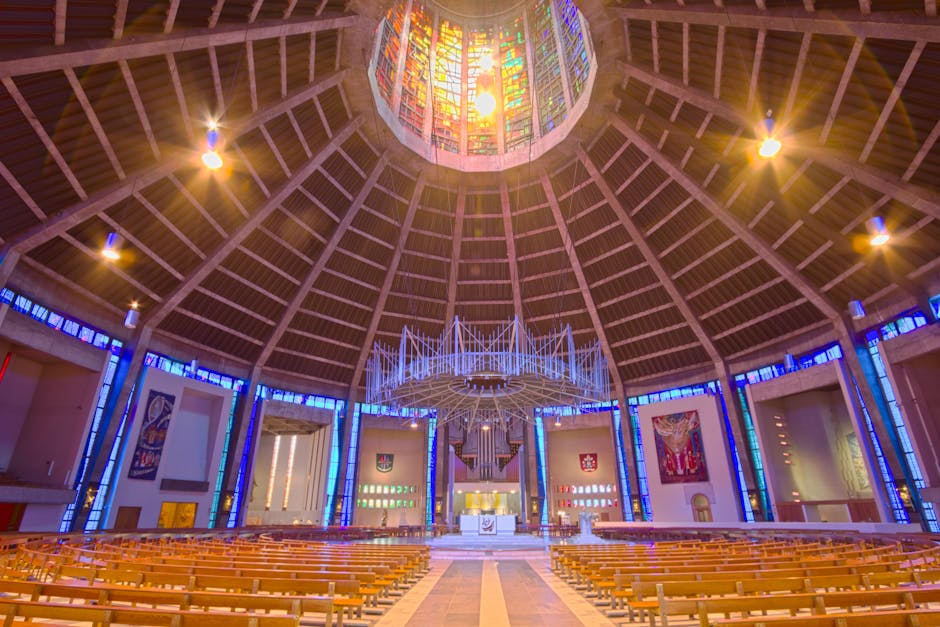
Finding the right church remodeling contractor in Tulsa is about more than hiring a construction crew. It is about choosing a partner who understands that your building is not just a structure. It is the physical home of your ministry, a gathering place for worship, fellowship, and service. Church leaders face a distinct set of challenges when considering a remodel: tight budgets, the need to keep weekly services running, and the pressure to create spaces that feel both sacred and functional. This guide walks through the entire process, from deciding whether to remodel or build new, to understanding costs, timelines, and what separates a true ministry-focused contractor from a general commercial builder.
Table of Contents
- Why Tulsa Churches Choose Professional Remodeling Over New Construction
- What Sets a Church Remodeling Contractor Apart from General Commercial Builders
- The Church Remodeling Process: Step by Step
- Common Church Remodeling Projects in Tulsa
- Budgeting for Your Church Remodel in Tulsa
- How to Choose the Right Church Remodeling Contractor in Tulsa
- Frequently Asked Questions About Church Remodeling in Tulsa
- Partner with TekTone Builders for Your Tulsa Church Remodel
Why Tulsa Churches Choose Professional Remodeling Over New Construction
Many Tulsa congregations already own their land and buildings. With material and labor costs continuing to climb in 2026, a ground-up build often stretches far beyond what a church can reasonably fund through a capital campaign. Remodeling offers a practical path forward. It lets a church expand capacity, modernize dated aesthetics, and improve how the building functions week to week, all without uprooting the congregation.
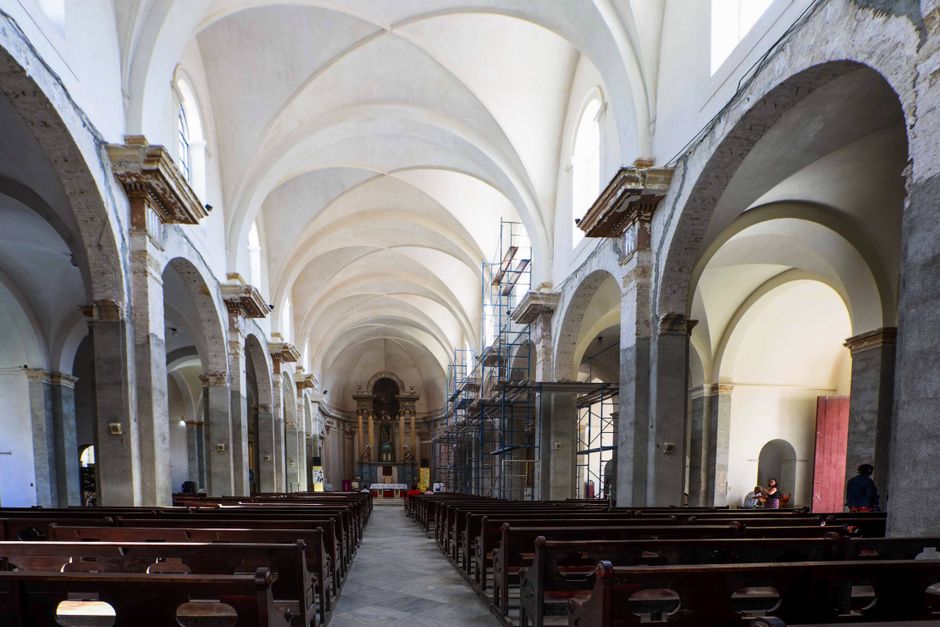
Existing infrastructure is a major advantage. Parking lots, utility connections, and zoning approvals are already in place. That alone can shave months off a project timeline and tens of thousands of dollars off the budget. A well-executed remodel can transform an outdated fellowship hall into a flexible event space, turn a cramped sanctuary into an open and inviting worship center, and convert underused classrooms into secure, engaging children's ministry areas. The congregation stays in the neighborhood it has served for years, and the disruption to church life is far less than a full relocation.
Timeline matters too. New construction in the Tulsa area can take eighteen months or longer from design to occupancy. A significant remodel, even one that reconfigures interior walls and upgrades all mechanical systems, can often be completed in six to twelve months with proper phasing. For a growing church that is already out of space, that shorter timeline means the difference between one Easter Sunday in a construction zone and two.
What Sets a Church Remodeling Contractor Apart from General Commercial Builders
A general commercial contractor builds offices, retail spaces, and warehouses. A church remodeling contractor builds environments for worship. The difference shows up in dozens of small decisions that add up to a space that either supports or hinders ministry.
Sensitivity to congregational rhythms is the first distinction. A church is not a business that can close for renovations. Services happen every Sunday, often with midweek programs, funerals, weddings, and community events filling the calendar. A contractor experienced in church work knows how to phase construction around that schedule, completing noisy demolition during the week and leaving the sanctuary clean and functional by Saturday afternoon.
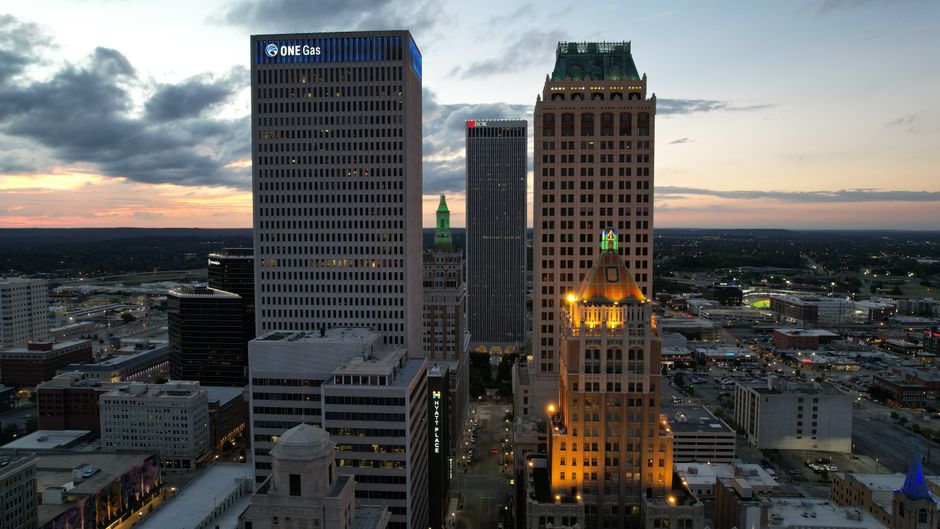
Technical knowledge of worship spaces is another critical factor. Sanctuary acoustics are not an afterthought. The way sound reflects off surfaces, the placement of speakers, the treatment of echo: these elements determine whether a sermon is clear or muddy, whether a worship band energizes the room or overwhelms it. A specialized contractor brings experience with audio, video, and lighting integration, coordinating with AVL vendors to ensure conduits, power, and mounting points are in the right places before the drywall goes up.
Code compliance for places of assembly is also non-negotiable. Churches fall under specific occupancy classifications with strict requirements for fire egress, sprinkler systems, and ADA accessibility. A contractor who works primarily on retail or office projects may not be familiar with the nuances of these codes. A mistake here can delay the certificate of occupancy or, worse, create a safety hazard for the congregation.
Finally, a ministry-focused contractor understands that design choices must serve both traditional and contemporary worship styles. Lighting that works for a choir cantata may not work for a modern worship set. Seating that feels reverent for a liturgical service may feel stiff for a casual gathering. The right contractor asks questions about how your church worships before drawing a single line.
The Church Remodeling Process: Step by Step
Initial Consultation and Needs Assessment
The process begins with a thorough on-site walkthrough. Your contractor meets with the pastor, building committee, and key ministry leaders to understand what is not working in the current space. Maybe the sanctuary feels dark and closed off. Maybe the children's check-in area creates a bottleneck every Sunday morning. Maybe the fellowship hall kitchen cannot handle the weekly community meal the church hosts.
This conversation covers budget range, timeline expectations, and the desired scope of work. Some churches need a cosmetic refresh: new paint, flooring, lighting, and seating. Others need a full renovation that moves walls, replaces HVAC systems, and reconfigures the entire floor plan. The contractor reviews existing floor plans, assesses the condition of structural and mechanical systems, and identifies any red flags that could affect the project.
Design and Planning Phase
Once the vision is clear, design development begins. The contractor collaborates with architects who have specific experience designing church spaces. Together they translate ministry needs into floor plans, elevations, and material selections. This is when the church chooses finishes, fixtures, and colors that align with both the aesthetic they want and the budget they have.
Permit preparation runs in parallel with design. The contractor prepares drawings and documentation for submission to Tulsa city and county authorities. Commercial building permits, fire marshal reviews, and accessibility compliance checks all happen during this phase. An experienced contractor knows the local permitting process and can anticipate what reviewers will flag, avoiding delays later.
Construction and Phasing
Construction is where the contractor's church experience becomes most visible. A phased schedule is developed that works around the church's calendar. Major demolition might be scheduled for a week when the congregation can meet in the fellowship hall. Work that affects the sanctuary might be compressed into Monday through Friday windows, with a full cleanup before Sunday morning.
Dust containment, noise management, and safety protocols protect both the construction crew and the congregation. Temporary walls seal off work areas from occupied spaces. Noisy equipment runs during agreed-upon hours. The contractor provides regular progress updates to church leadership, often including photos or walkthroughs so the building committee can see the transformation taking shape.
Final Walkthrough and Handoff
As construction wraps up, the contractor conducts a detailed punch list walkthrough with church leadership. Every outlet, light fixture, door, and finish is inspected. Any remaining items are documented and completed before final handoff. The contractor secures final permitting and occupancy approvals from local authorities, then delivers a completed space ready for ministry. Post-project support includes warranty information and a clear point of contact for any questions that arise after move-in.
Common Church Remodeling Projects in Tulsa
Sanctuary renovations are the most visible and often the most impactful projects. A dated sanctuary with worn pews, poor lighting, and a cramped stage can make worship feel stagnant. Updating seating to comfortable, flexible chairs or theater-style pews opens up the room. New LED lighting with programmable scenes supports everything from bright, energetic worship to quiet, reflective moments. Acoustic panels and sound system upgrades ensure that every word spoken and every note sung reaches the congregation clearly.
Fellowship hall expansions address the growing demand for multi-use space. Many Tulsa churches host community dinners, receptions, and midweek programs that require a functional kitchen and flexible seating. A remodel can open up the floor plan, add a commercial-grade kitchen, and install movable partitions that let the room serve as one large gathering space or several smaller classrooms.
Children's ministry spaces require special attention to safety and durability. Secure check-in areas with controlled access give parents peace of mind. Age-appropriate classrooms with durable, cleanable surfaces stand up to heavy use. Bright colors, natural light, and thoughtful layouts make these spaces inviting for kids and functional for volunteers.
Lobby and gathering areas set the tone for a visitor's first impression. A cramped, dark entryway with no clear direction feels unwelcoming. Opening up the lobby, adding a coffee bar, creating clear sightlines to the sanctuary and children's areas, and installing information kiosks transforms the arrival experience. These spaces become places where the congregation naturally lingers and connects after services.
Accessibility upgrades ensure the church serves all congregants. ADA-compliant ramps, widened doorways, accessible restrooms, and designated seating areas for wheelchair users are not just legal requirements. They are a tangible expression of the church's commitment to welcoming everyone.
Budgeting for Your Church Remodel in Tulsa
Church remodeling costs in Tulsa vary widely based on scope. Cosmetic updates that include paint, flooring, lighting, and minor fixture replacements typically range from $30 to $60 per square foot. Structural renovations that involve moving walls, replacing HVAC systems, upgrading electrical service, or adding square footage can run from $80 to $150 or more per square foot.
Several factors drive costs higher. HVAC upgrades are often necessary in older buildings and can represent a significant portion of the budget. Electrical rewiring may be required to support modern AVL systems and LED lighting. Custom millwork for altars, stages, and built-in seating adds craftsmanship but also cost. AVL systems themselves vary dramatically depending on the church's worship style and technical requirements.
Most churches fund remodels through capital campaigns, church-specific loans from denominational lenders or local banks, or phased funding that spreads costs over multiple budget years. A transparent contractor provides detailed line-item estimates so the building committee can see exactly where every dollar goes. There should be no hidden fees or vague allowances that balloon later.
One area where spending more upfront pays long-term dividends is energy efficiency. High-efficiency HVAC systems, LED lighting, and improved insulation reduce monthly operating costs for decades. For a church operating on a tight annual budget, lower utility bills free up money for ministry.
How to Choose the Right Church Remodeling Contractor in Tulsa
Start by verifying experience. Ask to see a portfolio of completed church remodeling projects, not just new construction. Remodeling an existing, occupied building requires a different skill set than building from the ground up. Look for projects similar in scope to yours.
Check references thoroughly. Speak directly with pastors or building committee chairs from past projects. Ask about the contractor's communication, their ability to stick to the schedule, how they handled unexpected issues, and whether they would hire the same contractor again. A contractor who hesitates to provide references is a red flag.
Confirm licensing, insurance, and bonding for commercial construction in Oklahoma. This protects the church if something goes wrong. Do not take a contractor's word for it; ask to see current certificates.
Evaluate communication style during the initial consultation. Does the contractor listen to your ministry needs and ask thoughtful questions, or do they push a one-size-fits-all solution? The right contractor treats the project as a partnership, not just a transaction.
Request a detailed written proposal that includes a clear timeline, a payment schedule tied to milestones, and a defined change order policy. Vague proposals lead to misunderstandings and budget overruns.
Frequently Asked Questions About Church Remodeling in Tulsa
How long does a typical church remodel take? Minor cosmetic updates may take four to eight weeks. Full renovations that involve structural changes, mechanical upgrades, and phased construction can span four to twelve months depending on the scope and how the work is scheduled around church activities.
Can we hold services during construction? Yes, and this is standard practice for experienced church remodeling contractors. Work is phased around your schedule, with noisy or disruptive tasks completed during weekdays or off-hours. The sanctuary is cleaned and prepared for services each weekend.
Do we need special permits for a church remodel in Tulsa? Yes, commercial building permits are required for most remodeling projects. Your contractor should handle all permitting, including submissions to the city, county, and fire marshal as needed. This is part of the service a full-service contractor provides.
How much does it cost to remodel a church sanctuary? Costs vary based on size, condition, and desired finishes. A mid-range sanctuary renovation in Tulsa, including new seating, lighting, stage upgrades, and acoustic treatments, typically falls between $75,000 and $250,000. A detailed estimate from a qualified contractor will provide a more precise figure based on your specific space.
What is design-build, and why is it recommended for churches? Design-build is a project delivery method where architecture and construction services are provided under a single contract. Instead of hiring an architect separately and then bidding the plans to contractors, the church works with one team from start to finish. This saves time, reduces miscommunication between designer and builder, and often results in cost savings because the builder provides budget feedback during design rather than after plans are complete.
Partner with TekTone Builders for Your Tulsa Church Remodel
TekTone Builders brings years of experience remodeling worship, education, and fellowship spaces across Tulsa and the surrounding region. We understand the unique rhythms of church life and build our schedules around your ministry calendar, not the other way around. Our team handles every phase: design, permitting, construction, and final walkthrough. You stay focused on your congregation while we transform your facility.
We provide transparent budgeting with line-item detail and no surprises. Our commitment to quality craftsmanship shows in every project we complete. If your church is considering a remodel, contact TekTone Builders for a free consultation and project estimate tailored to your vision. Let us help you create a space that serves your ministry for decades to come.
Related reading: Tulsa Church Addition Contractor | TekTone Builders.
Related reading: Church Construction Company Tulsa | Trusted Faith-Based Builder.
Related reading: Tulsa Church Building Contractor | Ministry-Focused Design-Build.
Related reading: Top General Contractor in Tulsa.