
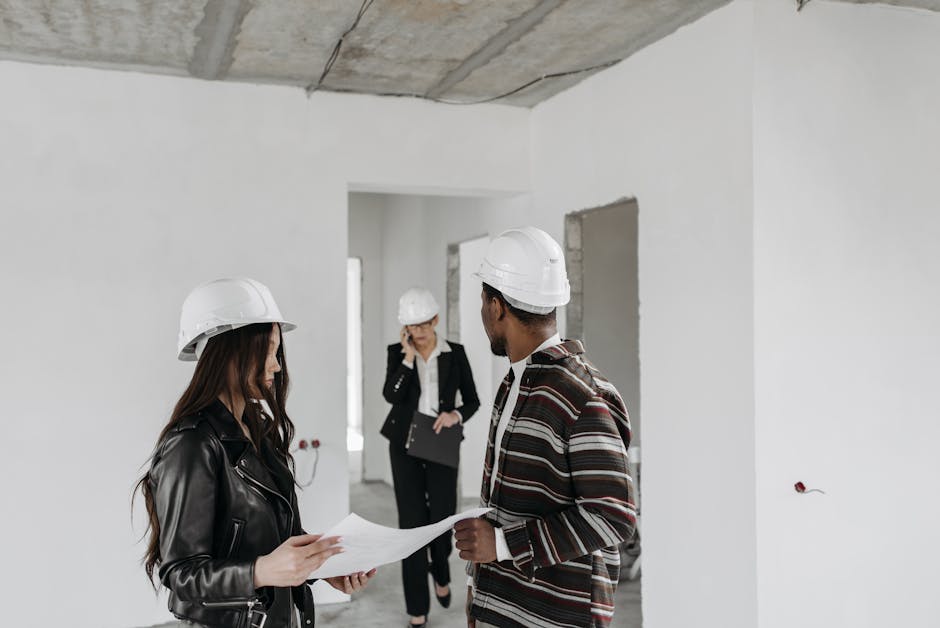
If you run a business, your physical space is either working for you or against you. It shapes how customers perceive your brand, how efficiently your team operates, and whether you pass or fail the next health or building inspection. When that space no longer fits your needs, the solution is not a fresh coat of paint. It is a strategic remodel executed by experienced commercial remodeling contractors who understand that every square foot has to earn its keep. This article walks you through what matters before the first wall comes down: the business case, the process, the pitfalls, and how to choose a contractor who treats your revenue and operations as seriously as you do.
Table of Contents
- Why Commercial Remodeling Is Different From Residential Work
- The Business Case for Commercial Remodeling
- Types of Commercial Remodeling Projects We Handle
- The Commercial Remodeling Process: What to Expect
- Business Disruption Planning: Keeping Operations Running
- Permits, Inspections, and Code Compliance
- Why Commercial Remodels Need a General Contractor
- Common Mistakes That Cause Delays and Change Orders
- How to Choose the Right Commercial Remodeling Contractor
- Frequently Asked Questions About Commercial Remodeling
- Schedule Your Commercial Remodeling Project Review
Why Commercial Remodeling Is Different From Residential Work
Commercial remodeling operates under a fundamentally different set of rules than residential renovation. The building codes are stricter, and they multiply fast: fire suppression systems, ADA accessibility standards, occupancy classifications, and local zoning ordinances all come into play. A residential contractor who does not navigate these daily will not know what they do not know, and that gap gets expensive.
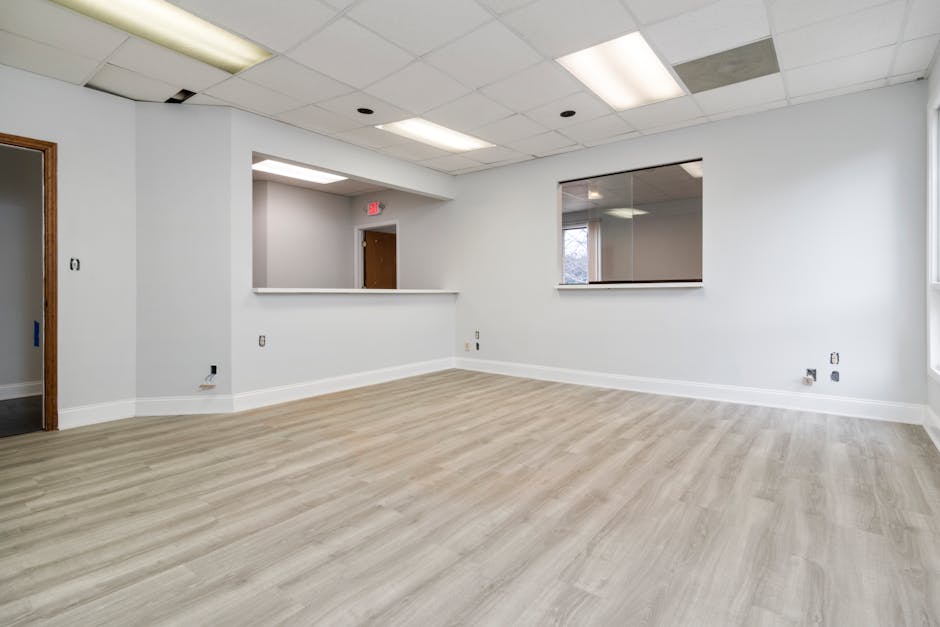
The financial stakes are higher for a different reason. A kitchen renovation at home is inconvenient. A restaurant remodel that runs two weeks behind schedule means two weeks of zero revenue, plus the cost of idle staff and the risk of customers finding a new favorite spot. Commercial remodeling contractors plan around these realities because they have to. They also manage a web of stakeholders that residential contractors rarely face: landlords, property managers, multiple inspectors, and business owners who need clear answers about when they can reopen. Material standards shift too. Commercial-grade flooring, doors, and HVAC systems cost more and require specialized installation. Insurance requirements are more complex, with general liability, workers' compensation, and builder's risk coverage all standard expectations.
The Business Case for Commercial Remodeling
How Your Space Affects Revenue and Operations
A commercial remodel is not an expense you hope to recoup someday. It is an operational investment that starts affecting your numbers the day the dust settles. Office layout changes designed around actual workflow patterns, rather than where walls happened to be in 1998, can improve employee collaboration and measurable productivity by 15 to 25 percent. That is not a design opinion. It is what happens when people stop walking 40 yards to the printer and start sitting near the colleagues they collaborate with daily.

Retail space remodeling changes customer behavior in ways that show up on the receipt. Strategic lighting draws attention to high-margin merchandise. A reconfigured checkout area reduces perceived wait times and increases impulse purchases. Restaurant and tenant improvements have to balance brand identity with operational reality: a beautiful dining room means nothing if the kitchen layout slows ticket times and frustrates the line cooks. Outdated spaces also create liability. Loose handrails, non-compliant restrooms, and aging electrical systems are not just eyesores. They are inspection failures and lawsuit risks waiting to happen.
Compliance, Safety, and Long-Term Value
Code violations discovered during a routine inspection can force emergency repairs that cost three times what a planned remodel would have cost. They can also trigger temporary closure orders that shut down revenue entirely. ADA non-compliance is a particular risk. Federal lawsuits and fines for accessibility violations routinely exceed $50,000, and that number does not include the legal fees or the cost of the remediation work itself.
Modernizing mechanical systems delivers returns on multiple fronts. New HVAC equipment reduces monthly energy costs. Updated plumbing eliminates leaks that quietly damage inventory or structural components. Improved electrical capacity supports the technology your business actually uses now, not what was standard when the building was constructed. A properly executed commercial remodel also increases property value and can justify higher lease rates or a stronger sale price when the time comes.
Types of Commercial Remodeling Projects We Handle
Office Remodeling
Office remodels range from open-plan conversions and private office additions to conference room upgrades and collaborative space design that reflects how teams actually work. Technology integration runs through every decision: structured cabling, AV systems, and smart building controls need to be planned before drywall goes up, not retrofitted afterward. Break room and amenity space improvements are not perks. They are recruitment and retention tools in a labor market where physical environment influences job acceptance decisions.
Retail Space Remodeling
Retail remodels focus on the customer journey from storefront to checkout. Storefront updates signal relevance and draw foot traffic. Display layout optimization guides customers through the space in ways that increase dwell time and conversion rates. Lighting upgrades do double duty: they highlight merchandise and create an atmosphere that aligns with brand positioning. Signage, shelving, and fixture installation must meet both aesthetic goals and the functional demands of daily restocking and customer interaction.
Restaurant and Tenant Space Improvements
Restaurant remodels require specialized knowledge that general commercial contractors may not possess. Kitchen layout and equipment upgrades must account for grease trap systems, Ansul fire suppression, ventilation requirements, and health department standards. Dining area renovations aim to increase seating capacity without making the space feel cramped or compromising service flow. Tenant improvement work adds another layer: every decision must satisfy landlord requirements and lease provisions, from approved contractors to specified materials and work-hour restrictions.
The Commercial Remodeling Process: What to Expect
Initial Consultation and Scope Definition
The process begins with an on-site walkthrough that goes deeper than measurements and photographs. Experienced commercial remodeling contractors assess existing conditions, identify structural limitations, and spot code compliance gaps that will need to be addressed. This is also when the business conversation happens: what are your operational constraints, your budget parameters, your must-have timeline? A preliminary feasibility assessment identifies potential permitting challenges and determines whether phased construction is necessary to keep your business running.
Design, Permitting, and Approvals
The design phase produces construction documents, material selections, and finish specifications that everyone signs off on before work begins. This is not the time for vague preferences. Specificity here prevents change orders later. The permit application process follows, with plan review, fee payments, and coordination with local building departments. Commercial remodeling contractors also handle the parallel track of landlord and property management approvals, plus notifications to adjacent tenants who will be affected by construction activity.
Construction and Phasing Strategy
Site preparation and demolition happen during the lowest-impact hours available: nights, weekends, or scheduled closures. A phased construction approach keeps portions of the business operational whenever possible, with clear boundaries between active work zones and occupied spaces. Regular progress meetings with the project manager track schedule adherence, budget status, and quality benchmarks. If something is drifting off track, this is where it gets caught and corrected.
Final Inspection and Project Closeout
City and county inspections cover every permitted scope of work: structural, mechanical, electrical, and plumbing. The contractor schedules and coordinates these, managing the inspector relationships that can make the difference between a smooth sign-off and a frustrating delay. After inspections pass, the punch list gets completed and the business owner walks through the finished space. Closeout deliverables include warranty documentation, maintenance instructions, and the certificate of occupancy that confirms the space is legally ready for use.
Business Disruption Planning: Keeping Operations Running
The difference between a commercial remodel that hurts your business and one that does not often comes down to disruption planning. Phasing work around your operating hours, whether that means nights, weekends, or scheduled closed days, protects revenue and keeps customers from walking into a construction zone. Temporary relocation strategies for critical operations like server rooms, reception areas, and shipping and receiving stations need to be mapped out before demolition starts.
Communication plans matter more than most business owners expect. Employees need to know where to park, which entrances to use, and what to expect for noise and air quality. Customers and vendors need clear information about access changes and timeline expectations. Dust containment, noise mitigation, and temporary barriers maintain a professional environment in the portions of the building that remain operational. Contingency planning for unexpected delays, whether from material shortages, inspection scheduling, or concealed conditions discovered during demolition, prevents a two-week overrun from becoming a month-long crisis.
Permits, Inspections, and Code Compliance
Commercial remodeling contractors must bring deep familiarity with the specific codes governing your municipality: building codes, fire codes, ADA standards, and zoning regulations. These are not abstract concerns. They determine what you can build, how it must be constructed, and whether you will be allowed to occupy the space when work is done. Common permit triggers include structural modifications, electrical work, plumbing changes, HVAC alterations, and fire suppression system modifications.
Inspection stages typically follow a sequence: rough-in inspections for electrical and plumbing before walls are closed, framing inspections, mechanical inspections, and final inspections that clear the entire project for occupancy. Each stage requires coordination across multiple trades, and a missed inspection can delay everything that follows. Failure to obtain proper permits carries consequences beyond fines. Stop-work orders halt progress. Unpermitted work discovered during a future property transaction can kill a sale or force expensive retroactive permitting. The right contractor handles the entire permitting process, from plan preparation and submission through inspection scheduling and sign-off.
Why Commercial Remodels Need a General Contractor
A general contractor serves as the single point of accountability for the entire project. Without one, the business owner becomes the de facto project manager, coordinating framers, drywallers, flooring installers, electricians, and plumbers individually. Most business owners do not have the time, the trade knowledge, or the subcontractor relationships to do that effectively while also running their company.
General contractors bring established relationships with reliable subcontractors who understand commercial standards and show up when scheduled. They carry the insurance and bonding that protect the business owner from liability and financial risk if something goes wrong. They also provide value engineering expertise: identifying cost-saving alternatives that maintain quality and compliance while keeping the budget in check. When a problem arises, and problems always arise on construction projects, the general contractor owns it and solves it. The business owner gets one phone call, not five.
Common Mistakes That Cause Delays and Change Orders
Incomplete scope definition at the start is the most expensive mistake in commercial remodeling. When project requirements are vague or assumptions go unspoken, mid-project additions become inevitable. Those additions typically increase total costs by 10 to 30 percent and push the schedule out by weeks. Choosing the lowest bid without verifying commercial experience, licensing, insurance, and references is a close second. Low bids often reflect inexperience, and inexperience produces delays, defects, and change orders that erase any initial savings.
Ignoring permitting requirements until construction begins causes weeks of delay while plans are rushed through review and inspectors flag work that proceeded without approval. Poor communication about operating hour restrictions leads subcontractors to schedule work during business hours, disrupting operations and frustrating everyone involved. Unrealistic timeline expectations force rushed work that compromises quality and safety. Failure to budget for contingencies, typically 10 to 15 percent of total project cost for unforeseen conditions, leaves no buffer when demolition reveals problems hidden inside walls or floors. Selecting finishes or fixtures without verifying lead times and commercial-grade suitability creates last-minute scrambles for alternatives that may not match the design intent.
How to Choose the Right Commercial Remodeling Contractor
Start by verifying commercial-specific licensing, insurance coverage including general liability and workers' compensation, and bonding status. These are non-negotiable prerequisites, not nice-to-haves. Request references from recent commercial projects similar in scope and scale to yours, and actually call them. Ask about schedule adherence, communication quality, and how the contractor handled unexpected problems.
Review online reputation across multiple platforms, looking for patterns rather than individual complaints. Every contractor has a negative review somewhere. The question is whether the same issues appear repeatedly. Evaluate communication style and project management approach during the bidding process itself. A contractor who is disorganized or unresponsive during the sales phase will not become more attentive after the contract is signed. Confirm direct experience with your specific project type. Office, retail, and restaurant remodels each require different knowledge, and a contractor who excels at one may struggle with another.
Frequently Asked Questions About Commercial Remodeling
How long does a commercial remodel typically take? Small tenant improvements may take 4 to 8 weeks. Full office or retail remodels typically run 8 to 16 weeks depending on scope, with larger or more complex projects extending beyond that. Do I need a permit for commercial renovation? Yes. Most commercial renovations require permits for structural, electrical, plumbing, and mechanical work. Your contractor should handle this process. How much does commercial remodeling cost per square foot? Costs vary widely by scope and finishes, typically ranging from $50 to $150 or more per square foot. A detailed scope of work is the only way to get an accurate estimate. Can my business stay open during construction? Often yes, with proper phasing, dust control, and safety planning. Your contractor should develop a disruption mitigation strategy specific to your operations. What is the difference between a general contractor and a design-build firm? Design-build firms handle both design and construction under one contract, streamlining communication and accountability. Traditional general contractors build from plans provided by a separate architect or designer.
Schedule Your Commercial Remodeling Project Review
Commercial remodeling is a strategic business investment, not a line-item expense to minimize. The right contractor handles permits, phasing, compliance, and quality so you can focus on running your business while your space is transformed. The wrong contractor turns a remodel into a cascade of delays, budget overruns, and operational headaches that damage revenue and reputation. Before you commit to anything, get an honest assessment of your space, your options, and what it will take to achieve your goals on time and on budget. Schedule a commercial remodeling project review with TekTone Builders to discuss your space, your goals, and your timeline. Visit tektonebuilders.com or call our office to book your consultation.