
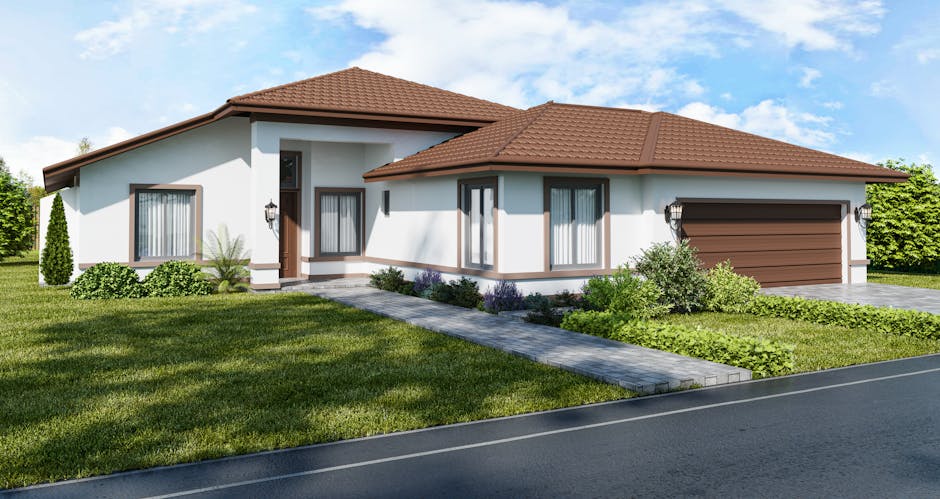
Adding a garage might start as a conversation about parking, but it quickly becomes a conversation about your entire home. A garage addition changes your foundation footprint, alters your roofline, shifts how you move through your property every morning, and permanently resets your home’s market value. The right garage addition contractors treat this project as a structural home expansion, not a standalone box with a door. For homeowners weighing this decision in 2026, understanding what separates a well-integrated addition from a costly afterthought is the difference between building equity and building regret.
Table of Contents
- Why a Garage Addition Is a Home Expansion, Not Just a Parking Upgrade
- Attached vs. Detached: Choosing the Right Garage Configuration for Your Property
- Critical Structural Considerations for a Seamless Garage Addition
- From Storage to Living Space: Planning a Multi-Use Garage
- The Garage Addition Timeline: What to Expect in 2026
- Budget Expectations for Garage Additions in 2026
- Navigating Permits, HOA Rules, and Zoning in Atlanta
- How a Garage Addition Boosts Home Resale Value
- Why Choose TekTone Builders for Your Garage Addition
- Frequently Asked Questions About Garage Additions
Why a Garage Addition Is a Home Expansion, Not Just a Parking Upgrade
A garage addition reshapes more than your driveway. It extends your home’s conditioned envelope, rewrites your electrical load calculations, and demands that new foundation walls tie seamlessly into existing footings. When you approach this project strategically, you unlock three outcomes at once: genuine living space that adapts to your family’s needs, a measurable increase in property value, and daily functionality that makes your home work harder for you.
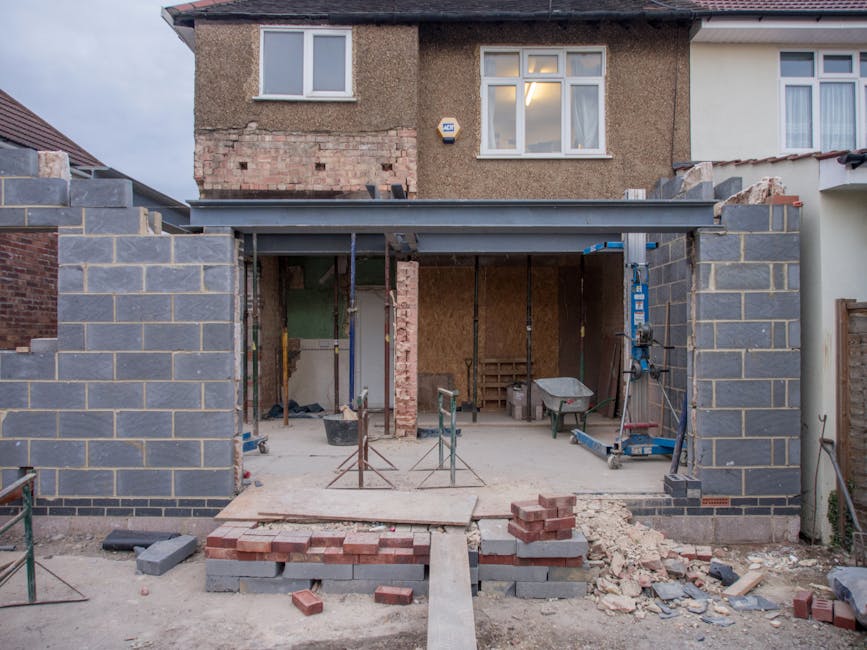
The difference between “adding a garage” and “expanding your home” comes down to integration. A transactional approach puts up four walls and a roof. A strategic approach considers how the new structure connects to the main house, how its exterior finishes echo the original architecture, and how the interior flow changes the way you use your kitchen, mudroom, or backyard. Professional garage addition contractors manage this complexity from day one, handling foundation tie-ins, permit navigation, and the aesthetic continuity that protects your home’s curb appeal for decades.
Attached vs. Detached: Choosing the Right Garage Configuration for Your Property
The configuration you choose affects everything from your morning routine to your property tax assessment. Both attached and detached garages have their place, but the right answer depends on your lot, your lifestyle, and your long-term plans for the home.
Attached Garage Additions: Convenience and Resale Value
An attached garage offers something no detached structure can match: direct access from the home. Whether you step into a mudroom, a hallway, or straight into the kitchen, that covered entry changes how you live, especially during Atlanta’s rainy winters and humid summers. Structurally, an attached garage shares a foundation wall with the main house, which means the contractor must calculate roof load transfer, match floor elevations, and maintain insulation continuity across the connection point.

In most suburban markets, attached garages command a higher resale premium. Buyers expect them, appraisers value them, and lenders see them as standard for single-family homes in mid-to-upper price tiers. If resale value is a primary driver for your project, an attached configuration typically delivers stronger returns.
Detached Garages: Flexibility and Zoning Advantages
Detached garages solve problems that attached ones cannot. On narrow lots with limited side-yard space, or in neighborhoods with strict HOA setback rules, pulling the garage away from the house may be the only compliant option. A detached structure also opens the door to standalone workshops, accessory dwelling units, or hobby spaces without forcing you to alter the main home’s roofline or foundation.
One design option worth considering is a breezeway, a covered walkway that bridges the house and the detached garage. It preserves the separation between structures while keeping you dry on rainy days and adding architectural interest to the backyard. This approach combines the zoning flexibility of a detached build with some of the convenience of an attached one.
Critical Structural Considerations for a Seamless Garage Addition
The parts of a garage addition you cannot see matter more than the parts you can. Two structural systems demand particular attention: the foundation and the roofline. Get either one wrong, and the problems compound over time.
Foundation Tie-In and Soil Conditions
Your existing home sits on a foundation designed for its specific weight, footprint, and soil conditions. Adding a garage means pouring new footings that must match the depth, type, and load-bearing capacity of the original. In the Atlanta metro area, expansive clay soils complicate this equation. These soils swell when wet and shrink when dry, creating movement that can crack slabs and separate foundation walls if the contractor does not account for it.
Experienced garage addition contractors bring in a structural engineer to review soil reports, specify reinforcement, and design a tie-in detail that allows the new foundation to move independently without pulling away from the house. This step is non-negotiable, yet many homeowners never hear about it until cracks appear. A proper tie-in also addresses frost line depth, drainage grading, and vapor barrier continuity beneath the slab.
Roofline Matching and Exterior Finish Continuity
A garage that looks like an afterthought drags down curb appeal and resale value. The roofline is the biggest offender. When the pitch, overhang depth, or fascia profile does not match the main house, the addition reads as a separate structure, even if it shares a wall. TekTone Builders prioritizes roof geometry from the first design sketch, aligning ridge heights, eave details, and gutter profiles so the garage reads as part of the original architecture.
Exterior finishes demand the same discipline. Siding profiles, brick patterns, stone veneer textures, and trim dimensions all need to match or complement what already exists. Even small mismatches, like a slightly different mortar color or a wider lap siding, catch the eye over time. Getting these details right protects the investment you have already made in your home’s appearance.
From Storage to Living Space: Planning a Multi-Use Garage
A garage in 2026 is rarely just for cars. Homeowners are planning these spaces as workshops, home gyms, ADUs, in-law suites, and backyard offices. The key is designing for that flexibility from the start, even if you only use it for parking right now.
Ceiling height is the first variable to lock in. Standard garage doors need about 7 feet of headroom, but if you want a car lift, lofted storage, or a future finished ceiling with insulation, you need 9 to 12 feet of clear height. Raising the walls by two feet during framing costs far less than retrofitting later.
Conditioned living space also requires insulation, HVAC, and electrical upgrades that a basic garage does not. If you think you might convert part of the garage into a bedroom, office, or apartment down the road, plan the rough-ins now. Run conduit for future circuits, stub out plumbing for a bathroom, and size the HVAC system to handle the additional square footage. This approach, what the industry calls garage-to-living-space planning, future-proofs your build and avoids tearing into finished walls later.
The Garage Addition Timeline: What to Expect in 2026
Most garage additions in the Atlanta area follow a predictable timeline once the contract is signed. Design and permitting typically take 4 to 8 weeks, depending on county review times and HOA approval cycles. Construction itself runs 6 to 12 weeks for a standard attached or detached garage, with larger or more complex builds pushing toward the upper end.
The project sequence moves through distinct phases: site preparation and demolition of any existing structures, foundation excavation and concrete pours, framing and roof sheathing, mechanical and electrical rough-ins, insulation and drywall, exterior finishes, and final inspections. Weather plays a real role in scheduling. Spring and fall offer the most reliable conditions for concrete curing and exterior work in Georgia. Summer heat can accelerate concrete set times and slow down crews, while winter rain delays foundation pours and framing. A contractor who sequences the work around these seasonal realities keeps the project moving without cutting corners.
Budget Expectations for Garage Additions in 2026
Garage addition costs vary widely by size, material, and finish level. Having a transparent range before you start design work helps you make decisions that align with your financial comfort zone.
Cost Breakdown by Size and Material
Based on current Atlanta market data, a 1-car garage addition (roughly 12 by 22 feet) typically falls between $15,000 and $25,000. A 2-car garage (20 by 22 feet or larger) runs $25,000 to $40,000. A 3-car or oversized garage with workshop space can reach $40,000 to $55,000 or more. These ranges assume standard wood-frame construction with a concrete slab, basic electrical, and no interior finishing.
Material choice shifts the numbers. Wood-frame construction remains the standard for its flexibility and ease of matching existing architecture. Metal buildings cost less upfront and require less maintenance but rarely blend well with traditional home styles. Prefab or modular garages offer faster installation but limit customization and may not satisfy HOA design standards. Custom features like epoxy flooring, smart garage door openers, insulated walls, and finished interiors typically add 15 to 30 percent to the base construction cost.
Hidden Costs Homeowners Overlook
Beyond the construction contract, several line items catch homeowners off guard. Permitting and impact fees vary by county: Fulton, Gwinnett, Cobb, and DeKalb each have their own fee schedules, and some charge additional impact fees for new impervious surfaces. HOA architectural review often carries its own application fees, and the review process can add weeks to your timeline. Utility relocation is another silent budget killer. If your planned addition sits on top of existing gas, electric, or sewer easements, moving those lines can add thousands to the project cost before a single footing is poured.
Navigating Permits, HOA Rules, and Zoning in Atlanta
The administrative side of a garage addition trips up more homeowners than the construction side. Every county in metro Atlanta requires building permits for garage additions, and each one enforces its own setback requirements, lot coverage limits, and height restrictions. In many suburban subdivisions, HOA covenants add another layer of approval that must happen before the county will even review your permit application.
Professional garage addition contractors handle this entire process. They prepare design drawings that meet HOA architectural guidelines, submit permit packages to the county, and manage the inspection schedule through to final approval. For homeowners, this removes the single biggest source of project stress and delay. It also reduces the risk of fines, stop-work orders, or having to modify completed work because it did not match approved plans.
How a Garage Addition Boosts Home Resale Value
A well-executed garage addition recoups a significant portion of its cost at resale. Attached garages typically return 60 to 80 percent of the construction cost in increased home value, according to industry cost-versus-value data. Detached garages with finished living space, particularly those that function as ADUs or guest suites, can exceed 100 percent return in markets where housing supply is tight.
The key variable is design quality. A garage that matches the home’s roofline, materials, and architectural style protects your equity. One that looks tacked on or out of proportion can actually hurt value by signaling to buyers that other work may have been done carelessly. Beyond the numbers, a garage adds functional appeal. Buyers in 2026 are looking for workshop space, EV charging capability, and secure storage. A garage that checks those boxes makes your home competitive in any market.
Why Choose TekTone Builders for Your Garage Addition
A garage addition is too important to trust to a contractor who treats it like a simple shed. TekTone Builders approaches every project as a home expansion, managing the structural, aesthetic, and regulatory details that turn a garage into a seamless extension of your property. From the initial walkthrough to the final inspection, you work with a team that knows Atlanta-area codes, understands HOA dynamics, and builds for the way Georgia weather actually behaves. Transparent communication, clear timelines, and workmanship you can count on are not extras. They are the foundation of every project.
Book a garage addition walkthrough with TekTone Builders.
Frequently Asked Questions About Garage Additions
How long does a garage addition take in Atlanta? Most projects run 6 to 12 weeks for construction, with an additional 4 to 8 weeks for design and permitting.
Do I need a permit for a garage addition in Fulton County? Yes. All garage additions require building permits, and TekTone Builders handles the entire permitting process on your behalf.
Can I add a garage if my lot is small? Yes. Attached designs and compact detached configurations can fit on surprisingly narrow or shallow lots while meeting setback requirements.
What is the best time of year to build a garage in Georgia? Spring and fall offer the most predictable conditions for concrete curing and exterior work, though construction continues year-round with proper scheduling.