
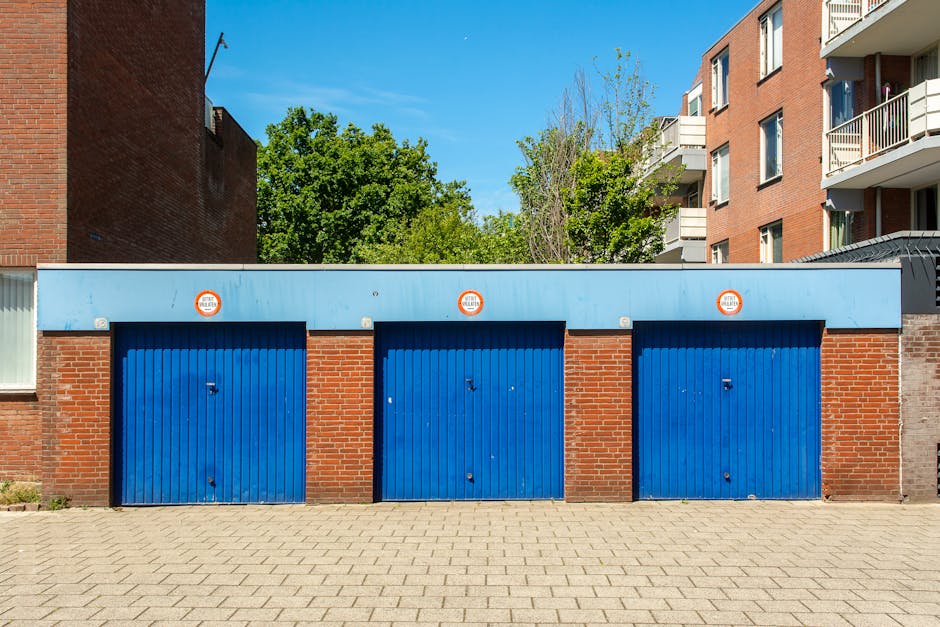
A garage should do more than store your car. It should add function, boost property value, and blend so naturally with your home that neighbors assume it was always there. The difference between a garage that elevates your property and one that drags it down comes down to one decision: which garage construction contractors you hire. This guide walks you through everything you need to know before signing a contract, from choosing between attached and detached layouts to vetting builders, understanding permits, and planning a space that actually works for your life. Get this right the first time, and you will enjoy the result for decades.
Table of Contents
- Why the Right Contractor Makes or Breaks Your Garage Project
- Attached vs. Detached Garages: Which Layout Fits Your Property?
- Planning the Right Size for Your Needs
- Construction Quality: What to Look for in Materials and Methods
- Matching the Garage to Your Home's Exterior
- Permits, Zoning, and Planning: Don't Skip the Paperwork
- Electrical, Lighting, and Driveway Considerations
- 5 Common Mistakes Homeowners Make Before Building a Garage
- How To Vet Garage Construction Contractors Before You Hire
- Timeline and Budget Expectations for 2026
- Frequently Asked Questions About Hiring Garage Construction Contractors
Why the Right Contractor Makes or Breaks Your Garage Project
A garage is a permanent structure attached to or sitting beside the most valuable asset you own. Mistakes in the foundation, framing, or drainage are not cosmetic issues you can touch up with paint. They are structural problems that cost thousands to fix and can damage your home in the process.

Poor contractor selection leads to mismatched aesthetics that scream afterthought, code violations that stall your project or trigger fines, and timelines that stretch from weeks into months. The best garage construction contractors approach your project as an extension of your home, not a standalone shed. They think about how the roofline meets the house, how water drains away from both structures, and how the siding ties together visually.
Homeowners who rush the hiring process often end up with slab cracks, roof leaks, or siding that fades at a different rate than the main house. A quality contractor brings design insight, permit knowledge, and established trade relationships that save you money over the long term. They also carry the insurance and licensing that protect you if something goes wrong.
Attached vs. Detached Garages: Which Layout Fits Your Property?
Before you start calling garage construction contractors, you need a clear picture of what kind of garage suits your property and lifestyle. The attached versus detached decision shapes everything from cost to daily convenience.
Benefits of an Attached Garage
An attached garage connects directly to your home, typically sharing one wall and a continuous roofline. This layout offers direct access to the house, which matters more than you might think during a Midwest winter or when you are hauling groceries in the rain. Attached garages generally cost less to build because they leverage an existing wall and foundation line.
From a resale standpoint, attached garages tend to add more perceived value. Buyers expect them, and appraisers factor them into square footage calculations differently than detached structures. Running electrical, plumbing, and HVAC from the main house is also simpler and less expensive when the garage shares a wall.
When a Detached Garage Makes More Sense
A detached garage offers design freedom that attached structures cannot match. You are not constrained by the existing roofline, eave height, or wall placement. This flexibility matters on oddly shaped lots or properties with setback restrictions that make an attached addition impossible.
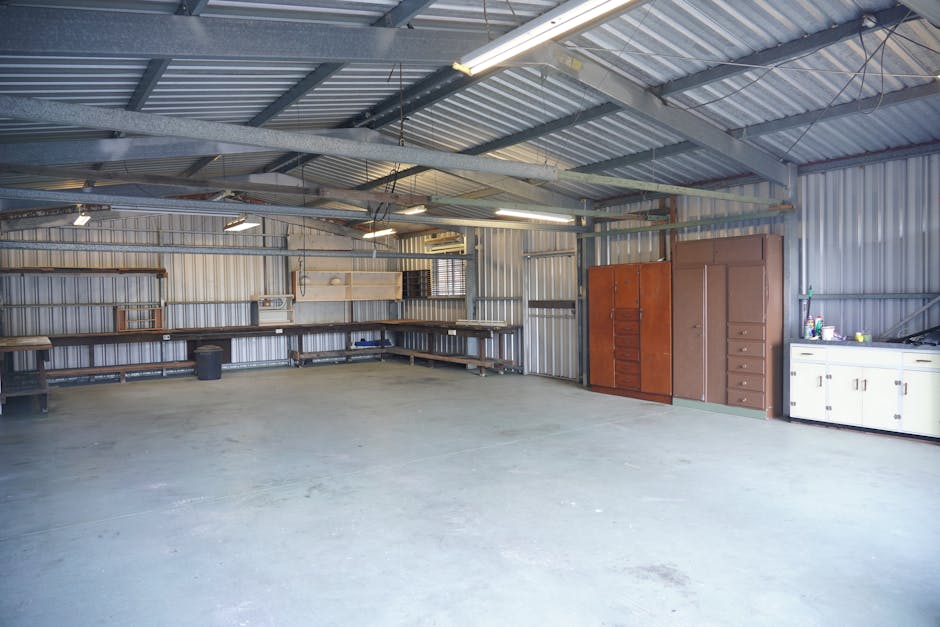
There is a fire safety advantage here that few homeowners consider: a fire that starts in a detached garage is far less likely to spread to your living space. Detached garages also work better as standalone workshops, music studios, or second-story apartments because noise and activity stay separated from the main house.
How the Right Contractor Helps You Decide
Experienced garage construction contractors evaluate your lot, HOA rules, and local zoning before recommending a layout. They can show you visual mockups of both options placed on your property so you can see how each one sits relative to the house, driveway, and property lines. A good contractor will be honest about which option delivers better return on investment for your specific neighborhood rather than simply pushing the more expensive build.
Planning the Right Size for Your Needs
Square footage is where dreams meet budget. Plan too small, and you will spend years frustrated by a garage that cannot fit your vehicle, your tools, and your seasonal gear. Plan too large, and you overspend on concrete, framing, and roofing that you did not need.
Standard Garage Dimensions vs. Custom Footprints
A single-car garage needs a minimum footprint of 12 feet by 22 feet, but 14 by 24 feet gives you room to open doors and walk around the vehicle. A two-car garage starts at 20 by 22 feet and stretches to 24 by 24 feet for comfortable clearance. Before you commit, measure your actual vehicles with doors open. Full-size trucks and SUVs need more width and depth than compact sedans.
Three-car garages typically run 30 by 22 feet to 36 by 24 feet, but turning radius and door clearance become critical at this scale. Custom footprints make sense when you are mixing uses: a two-car bay plus a dedicated workshop zone, for example, might push your width to 30 feet or your depth to 28 feet.
Beyond Vehicle Storage: Workshop, Hobby, and Utility Space
Think through how you will actually use the space before finalizing dimensions. Workbenches need at least two feet of depth and run four to eight feet long. Shelving and tool storage eat up wall space quickly. If you want a dedicated workshop area in front of or beside the vehicle bays, add four to six feet of depth to your plan.
Ceiling height deserves more attention than it usually gets. Standard eight-foot ceilings work for parking, but ten to twelve feet opens up possibilities: vehicle lifts, overhead storage racks, or a future second-story apartment or office. Utility zones for lawn equipment, bikes, trash bins, and seasonal decorations need dedicated floor space that does not compete with your vehicle doors.
Matching Size to Your Lot and Budget
Larger garages require more concrete, more roofing material, and more siding. Costs scale faster than square footage because certain fixed expenses like permits and site preparation do not change much with size. Garage construction contractors can help you prioritize must-haves versus nice-to-haves and show you where trimming a few feet saves real money. Just remember: a garage that is too small for your actual daily use will frustrate you every single day, and expanding it later costs far more than building it right the first time.
Construction Quality: What to Look for in Materials and Methods
The difference between a garage that lasts 30 years and one that shows problems in five comes down to what is under the siding and behind the drywall.
Foundation and Slab Work
A proper slab starts with four to six inches of poured concrete reinforced with steel mesh or rebar. The base underneath must be compacted gravel graded to direct water away from the structure. Ask contractors about vapor barriers beneath the slab: this thin layer of plastic prevents ground moisture from seeping up through the concrete and causing efflorescence, mold, or adhesion problems with floor coatings.
Control joints should be cut into the slab to direct cracking along planned lines rather than letting it spiderweb randomly. In cold climates, frost heave is a real threat. Foundations must extend below the local frost line, and the slab should sit slightly above grade so water never pools at the base of the walls.
Framing, Roofing, and Siding
Standard wall framing uses 2×4 or 2×6 studs on 16-inch centers. The 2×6 option costs a bit more but allows for thicker insulation, which matters if you plan to heat the space or work in it year-round. Roof trusses should match the pitch of your home for visual cohesion and be engineered for the snow load in your region.
Siding material should match your home's existing exterior. Whether that means vinyl, fiber cement like HardiePlank, wood, or brick veneer, the goal is continuity. Ask about ice and water shield for the roof, especially in northern markets where ice dams can force water under shingles and into the structure.
Drainage and Grading
Water is the enemy of any structure. The finished slab should sit high enough that rainwater and snowmelt flow away from the building. Gutters and downspouts must direct roof runoff at least a few feet from the foundation, ideally into a buried drain line or a sloped swale. On sloped lots, French drains or perimeter drainage systems may be necessary to keep water from collecting against the foundation wall. Garage construction contractors who skip drainage details during the estimate are setting you up for expensive repairs down the road.
Matching the Garage to Your Home’s Exterior
A garage should look like it was part of the original build, not a box that landed next to the house one weekend. This means matching the roof pitch, eave depth, and fascia style exactly. Even a slight difference in roof angle catches the eye and signals that the addition came later.
Siding color and texture should either match the house precisely or complement it with intentional, well-chosen contrast. Windows and doors need to echo the home's architectural style, whether that is modern, craftsman, colonial, or ranch. A skilled contractor will source materials from the same manufacturer as your home's exterior when possible, right down to the profile and reveal of the siding panels. These details separate garage construction contractors who care about the finished product from those who just want to get the frame up and move on.
Permits, Zoning, and Planning: Don’t Skip the Paperwork
Permits are not optional bureaucratic hurdles. They are the mechanism that ensures your garage is safe, legal, and insurable.
What Permits Your Contractor Should Handle
A standard garage build requires a building permit covering the foundation, framing, roofing, and overall structure. Electrical permits cover lighting, outlets, garage door opener circuits, and any EV charger rough-ins. If you are adding heating, cooling, or ventilation, mechanical permits enter the picture. A reputable contractor includes permit fees in their estimate and pulls all permits on your behalf. If a contractor suggests skipping permits to save time or money, walk away.
Zoning Setbacks, HOA Rules, and Variances
Most municipalities require setbacks from property lines, typically five to fifteen feet depending on your zoning classification. HOA covenants may add restrictions on garage size, height, color, or placement that go beyond city requirements. If your lot cannot meet the standard setbacks, you may need a variance, which adds time and cost to the project. Garage construction contractors who work regularly in your area will know the local rules before you sign anything and can tell you upfront whether your plan is feasible or needs adjustment.
Electrical, Lighting, and Driveway Considerations
Electrical Planning for Today and Tomorrow
At minimum, your garage needs one ceiling light, one outlet per vehicle bay, and a dedicated outlet for each garage door opener. Smart planning goes further: add outlets on every wall at workbench height, plus a ceiling outlet for a cord reel or future lift. Pre-wire for an electric vehicle charger even if you do not own one yet. Running a 240-volt circuit now costs a few hundred dollars. Trenching through a finished driveway and opening walls to add it later costs thousands. Exterior lighting for the driveway approach and entry doors improves both safety and curb appeal.
Driveway and Approach Work
The driveway approach should tie into the new slab smoothly with no lip, step, or trip hazard at the transition. Concrete driveways last 25 to 30 years with proper installation. Asphalt lasts 15 to 20 years with regular sealing. If your existing driveway needs replacement, coordinate the timing with the garage slab pour so the two surfaces meet cleanly. Discuss apron width and turning radius with your contractor. A driveway that is too narrow or an approach angle that is too steep will have you scraping bumpers every time you pull in.
5 Common Mistakes Homeowners Make Before Building a Garage
Skipping the site survey ranks high on the list of regrets. Trees, underground utilities, and poor soil conditions can derail construction or add unexpected costs. Always verify what is underground before you dig.
Choosing the cheapest bid almost always backfires. Low prices typically mean thinner concrete slabs, lower-grade lumber, rushed labor, or unlicensed crews. The savings disappear the first time you need a repair.
Forgetting about insulation turns your garage into a space you cannot use for half the year in cold climates. Even if you do not plan to heat it now, insulating the walls and ceiling during construction is far cheaper than retrofitting later.
Ignoring future needs is another common trap. Building for today's sedan but not tomorrow's pickup truck, boat, or EV leaves you with a garage you outgrow in a few years.
Not checking contractor references means relying on online reviews alone. Reviews help, but talking to past clients reveals the real story about communication, punctuality, and how the contractor handled problems that came up mid-project.
How To Vet Garage Construction Contractors Before You Hire
Questions Every Homeowner Should Ask
Start with experience: how many garage projects has the contractor completed in the last twelve months? Ask for three recent client references you can call, not just read about online. Clarify who handles permits and whether that cost is included in the estimate. Get a realistic timeline from permit approval to completion, and ask what factors typically cause delays. Finally, ask about the warranty: what is covered on the structure, the workmanship, and for how long.
Red Flags That Signal Trouble
Be wary of contractors who ask for full payment upfront. The industry standard is a deposit of 10 to 20 percent, with progress payments tied to completed phases and a final payment due upon satisfactory completion. Vague written estimates with no line-item breakdown make it impossible to compare bids fairly. Reluctance to show proof of insurance or licensing is a dealbreaker. So is pressure to sign before you have had time to compare bids. A contractor with no portfolio of completed garage projects similar to yours is not the right choice for this job.
Where To Find Qualified Contractors
Start with local builder associations and trade organizations, which typically vet their members. The Better Business Bureau offers accredited listings with verified ratings and complaint histories. Online review platforms with verified customer feedback provide a broader picture, but read the detailed reviews rather than relying on star ratings alone. Word-of-mouth referrals from neighbors with recent garage builds carry weight because you can see the finished product in person. Your local building department is an underused resource: they know which contractors pull permits consistently and which ones have violations on record.
Timeline and Budget Expectations for 2026
Typical Project Timeline
Design and planning take one to three weeks, depending on how quickly you make decisions. Permit approval runs two to six weeks depending on your municipality's workload and whether you need a variance. Site preparation and foundation work take one to two weeks. Framing, roofing, and siding typically run two to four weeks. Electrical, finishing, and cleanup add another one to two weeks. In total, expect six to fourteen weeks for a standard attached or detached garage from permit approval to completion.
Cost Factors That Affect Your Budget
Size and complexity drive the base cost. Material choices create the widest spread: vinyl siding costs less than fiber cement, which costs less than brick veneer. Site conditions matter too. A flat lot with good soil is the cheapest scenario. Sloped lots, poor soil, tree removal, or ledge rock all add cost. Electrical work, EV charging rough-ins, and specialty lighting add line items. Driveway replacement or extension can be a significant expense if your existing driveway does not reach the new garage location. Local labor rates and material costs in your market set the baseline that national averages cannot capture.
Getting a Realistic Estimate
Request itemized quotes from at least three garage construction contractors. Compare not just the total price but what each quote includes: permits, site preparation, material specifications, cleanup, and warranty terms. Ask about payment schedules and make sure the final payment is not due until you have walked the finished project and signed off. Build a 10 to 15 percent contingency into your budget for unexpected site conditions or material price changes that emerge after the ground is opened up.
Frequently Asked Questions About Hiring Garage Construction Contractors
How much does it cost to build a garage in 2026? Expect $15,000 to $45,000 for a standard attached or detached garage, depending on size, materials, and site conditions. Custom builds with second stories, high-end finishes, or difficult sites can exceed that range.
Will a garage increase my home value? Yes. A well-built two-car garage can return up to three times its cost in added property value, making it one of the stronger return-on-investment projects you can take on.
Do I need a permit to build a garage? Almost always. Permits are required for structural, electrical, and sometimes mechanical work. Your contractor should handle this process from application to final inspection.
How long does it take to build a garage? Most projects take six to fourteen weeks from permit approval to completion. Custom or complex builds may run longer.
Can I build a garage in winter? Yes, but expect potential delays from frozen ground, snow, and cold-weather concrete requirements. Some contractors schedule foundation work around weather windows during winter months.
A garage is more than a place to park. It is an investment in how your home functions, how it looks from the street, and what it is worth when you eventually sell. The right garage construction contractors bring your vision to life with quality materials, proper permits, and a finished structure that looks like it was always meant to be there. TekTone Builders handles every phase of the process, from design and permits through construction and final inspection, so you get a garage that adds function, value, and curb appeal without the stress of managing it yourself.
Request a garage construction estimate from TekTone Builders today.