
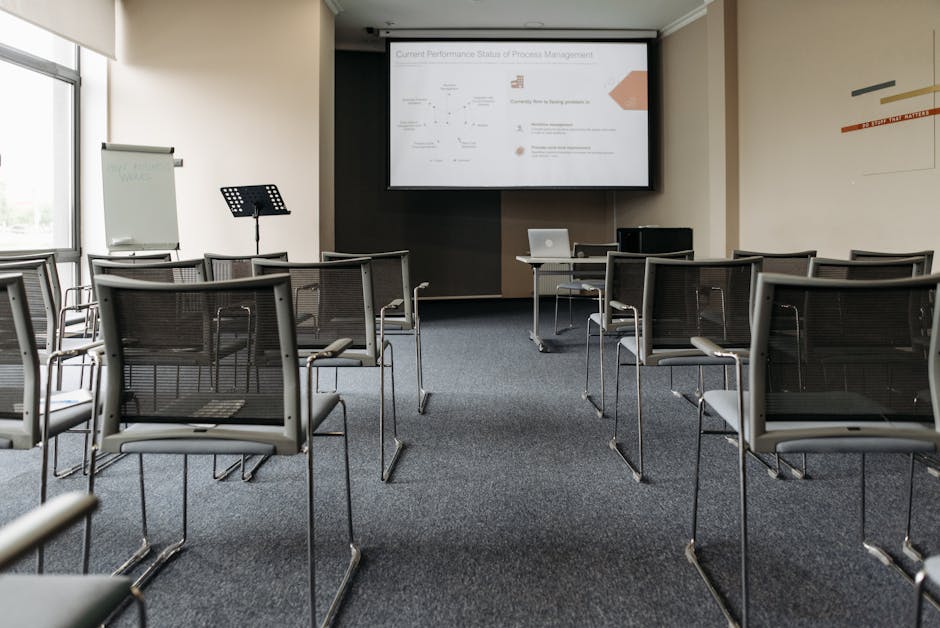
If your congregation is outgrowing its current space, a church classroom addition is often the most strategic first step toward sustaining ministry momentum. Children’s wings, youth suites, and multi-purpose educational spaces represent the fastest-growing segment of church construction in the United States right now. This guide walks building committees, pastors, and church administrators through every phase of a classroom addition project, from initial space assessment through final occupancy, with practical strategies drawn from real church builds across the country.
Table of Contents
- Why a Church Classroom Addition Is a Strategic Investment for 2026
- Phase 1: Assessing Your Needs and Defining the Scope
- Phase 2: Navigating Zoning, Permits, and Fire Codes
- Phase 3: Design Strategies That Blend Old and New
- Phase 4: Construction Logistics: Building While Worshiping
- Phase 5: Inspiring Ministry-Specific Spaces
- Frequently Asked Questions About Church Classroom Additions
- Start Your Church Classroom Addition With a Partner Who Understands Ministry
Why a Church Classroom Addition Is a Strategic Investment for 2026
The generational math is straightforward. Families with young children and teenagers consistently rank dedicated, secure, and engaging classroom space as a top factor when choosing a church home. Ridgepoint Church understood this when they built an entire Kids Wing and student center as the centerpiece of their expansion. A church classroom addition signals to visiting families that your congregation takes the next generation seriously.
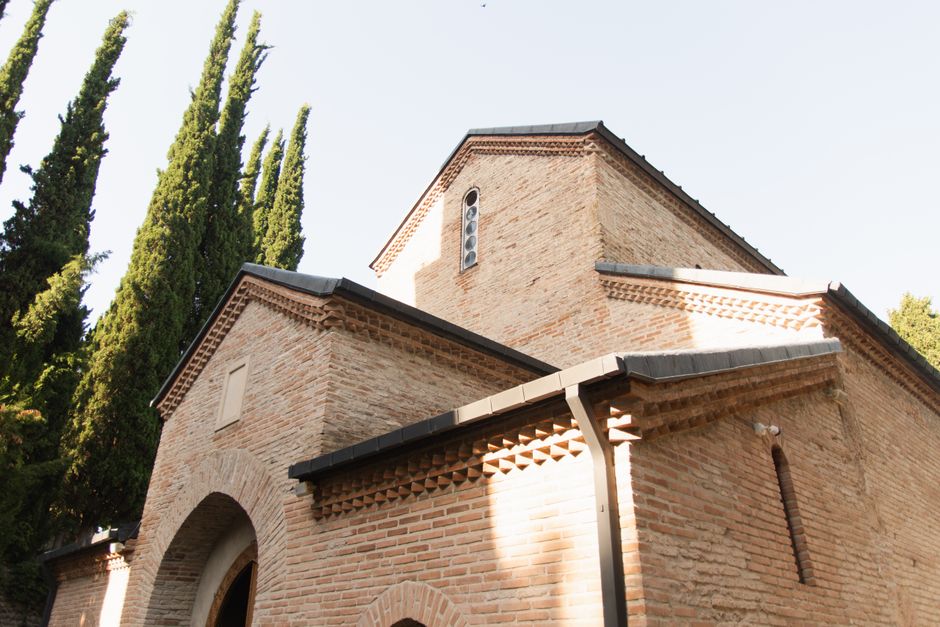
The return on investment extends well beyond Sunday morning. Modern church classrooms function as weekday daycare centers, after-school tutoring hubs, ESL conversation groups, and community meeting rooms. A single classroom addition project can serve the congregation for three hours on Sunday and the surrounding neighborhood for forty hours during the week. That dual-use model transforms a ministry expense into a community asset.
The 2026 context matters. Post-pandemic attendance patterns have stabilized, and churches are competing not just with other congregations but with the gravitational pull of digital entertainment and at-home streaming. Physical space designed for connection, hands-on learning, and intergenerational relationships offers something a screen cannot replicate. For most growing churches, a well-planned addition costs significantly less than purchasing land and building from scratch, and it preserves the location equity and community recognition the church has built over decades.
Phase 1: Assessing Your Needs and Defining the Scope
Sizing Your Addition: From a Few Rooms to a Full Wing
Project sizes in the church classroom addition space vary dramatically. A small congregation might add two classrooms totaling 1,200 square feet. At the other end of the spectrum, Hazel Dell Christian Church constructed a 23,000-square-foot educational building for daycare and elementary children. Your church likely falls somewhere between those poles.
Start with a simple sizing formula. Multiply your target classroom size (400 to 600 square feet works well for most age groups) by the number of age-group divisions you need, then apply a five-year growth multiplier. If you currently run three children’s classes and expect 20 percent growth, plan for four classrooms at roughly 500 square feet each, or 2,000 square feet total. Add 30 percent for hallways, storage, and restrooms, and your core program space lands around 2,600 square feet.
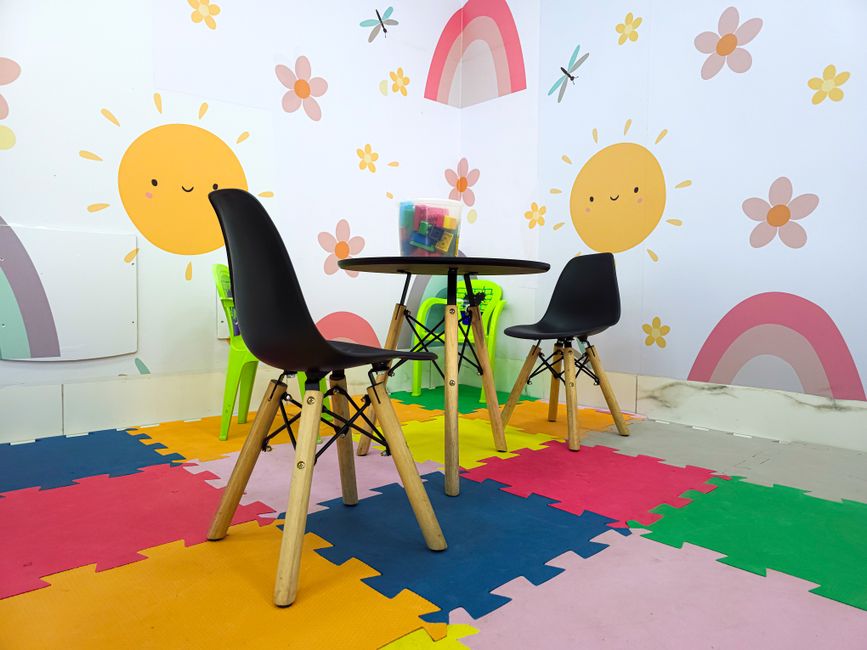
Avoid the single-use trap. Every classroom in your addition should serve at least two distinct functions. A room built for third-grade Sunday school should also accommodate an adult Bible study on Wednesday nights. A youth gathering space should double as a community rental venue. Single-purpose rooms sit empty most of the week and represent the least efficient use of donor dollars.
Budgeting Realistically for a 2026 Build
Most published church addition case studies conspicuously omit cost data, which frustrates building committees trying to set realistic expectations. Based on current US construction market conditions, plan on a range of $200 to $400 per square foot for new construction, with the final number depending heavily on regional labor costs, site conditions, and finish level. A 5,000-square-foot classroom addition will likely cost between $1 million and $2 million in most markets.
Hidden costs deserve a dedicated line item. Architectural and engineering fees typically run 8 to 12 percent of construction cost. Site work, including utility extensions, stormwater management, and parking reconfiguration, can add 15 to 25 percent. If your addition triggers a requirement to bring the existing building into compliance with current accessibility codes, those upgrades fall on your side of the ledger.
Ridgepoint Church originally planned to defer their gymnasium to a future phase due to budget pressure. They ultimately included it by value-engineering finishes in other areas and prioritizing structural shell costs over interior fit-out. That phasing mindset helps committees separate must-haves from nice-to-haves. Build the entire shell. Finish the critical classrooms now. Complete the youth lounge and storage rooms as funds allow.
Phase 2: Navigating Zoning, Permits, and Fire Codes
The Fire Wall Strategy: Saving Money on Sprinklers
Northstar Community Church executed one of the smartest code-compliance moves in recent church addition history. By constructing fire walls between the new addition and the existing sanctuary, they legally separated the two areas into distinct fire areas. Each area was evaluated as an independent building under the applicable code.
The financial payoff was substantial. The existing sanctuary was not required to undergo a full sprinkler system retrofit, which would have added tens of thousands of dollars to the project and potentially required ceiling demolition in the worship space. The fire wall strategy works best when the classroom addition is physically adjacent to the existing structure but structurally independent, with its own egress paths and rated separation.
This approach requires early coordination with a code consultant or architect experienced in church projects. Fire walls must extend from foundation to roof deck, with specific hourly ratings and penetration detailing. The added construction cost for the wall itself is modest compared to the sprinkler savings.
Egress, Accessibility, and Occupancy Loads
Every classroom in your addition must have two distinct means of egress. The most common configuration pairs a door opening onto a corridor with a second door leading directly to the exterior. In rooms designed for young children, both exits must be operable by an adult but secure against unsupervised departure.
ADA compliance is non-negotiable for any 2026 church classroom addition. Hallways must maintain a clear width of at least 44 inches. Doors require lever-style handles rather than knobs. Restroom layouts must accommodate wheelchair turning radii. These requirements apply regardless of whether your existing building is grandfathered; the new addition stands on its own for accessibility compliance.
Occupancy load calculations drive bathroom counts, corridor widths, and exit capacity. Work with your architect to determine the maximum number of children and adults each room will hold. A room sized for 20 preschoolers requires different egress and plumbing provisions than a room sized for 40 adults, even if the square footage is identical.
Phase 3: Design Strategies That Blend Old and New
Matching Rooflines and Materials: The Over-Framing Technique
C|C Architects developed a specific technical solution for church additions that deserves wider adoption. When extending an existing roofline, they over-frame the new roof with a slightly lower pitch than the original. This prevents the addition from creating a prominent new form that competes visually with the main building. The lower pitch also eliminates the valley where old and new roofs meet, a common source of leaks in church additions.
Material matching requires equal attention. Brick manufacturers change their color blends over time. Siding fades. Window styles get discontinued. If a perfect match proves impossible, choose a complementary material that reads as intentional contrast rather than a failed imitation. A classroom wing clad in fiber cement panels with a color pulled from the existing brick mortar can look more cohesive than mismatched brick.
WDM Architects demonstrated this principle when they unified previously disjointed building phases into a seamless whole. The goal is not to erase the history of the building but to make the visitor experience feel like one church rather than a collection of add-ons.
Designing for Dual-Use and Future Flexibility
Northstar Community Church designed their consultation and resource spaces to function as youth classrooms on weekends. During the week, the same rooms host counseling appointments and small group meetings. This dual-use model maximizes every square foot of the addition.
Furniture selection makes the difference between a room that transforms in five minutes and one that requires an hour of setup. Specify movable partition walls, rolling whiteboards, and stackable chairs. Avoid built-in millwork except in clearly defined zones like check-in counters and kitchenettes. A preschool classroom furnished with lightweight tables and modular cubbies can become a youth small-group room by simply rearranging the pieces.
Technology infrastructure should be roughed in during construction even if the AV budget is tight. Run conduit from a central equipment rack to every classroom. Install ceiling-mounted projector mounts and screen brackets. Pre-wire for speakers. The incremental cost during framing is negligible. The cost of retrofitting after drywall is up is punitive.
Phase 4: Construction Logistics: Building While Worshiping
Scheduling Around Services
Northstar Community Church caught an unusual break. Their classroom addition construction occurred during the COVID-19 pandemic when the congregation was not meeting in person. Work proceeded without interference from Sunday services, and the building was ready when the church reconvened.
Most churches do not have that option. The standard playbook calls for scheduling heavy demolition, foundation excavation, and roof cutting during weekdays when the building is quiet. Contractors can erect temporary dust partitions and create separate exterior entrances so workers never walk through occupied spaces. If the addition attaches to an area currently used for children’s ministry, relocate those classes to off-site rented space or to a different wing of the building for the duration of construction.
Communication with the congregation prevents frustration. Post weekly construction updates. Mark alternate pathways clearly. Remind everyone that the disruption is temporary and the outcome is permanent.
The Architect-as-Construction-Manager Advantage
C|C Architects served as both designer and construction manager on their church addition projects. When demolition revealed exposed steel bracing that the original plans had not anticipated, the team made a field decision on the spot rather than routing a change order through separate firms.
For churches, this integrated approach reduces the finger-pointing that plagues construction disputes. One entity owns both the design intent and the execution. Decision-making accelerates. The model works particularly well for church classroom additions, where the building committee typically lacks construction expertise and benefits from a single point of accountability.
Phase 5: Inspiring Ministry-Specific Spaces
The Modern Youth Wing: Lounges, Gaming, and Connection
Ridgepoint Church invested in a dedicated e-gaming room with workstations, couches, and glass walls facing the main corridor. The space is unapologetically designed for teenagers, and it works. Students who might resist attending a traditional youth group will show up for gaming tournaments and stay for the relationships.
Include a snack center with durable countertops, a sink, and lockable storage for food supplies. Northstar built dedicated storage for games, instruments, and AV equipment directly into their youth suite. Clutter kills the vibe faster than anything. Glass walls serve a dual purpose: they make the youth space feel open and visible while allowing adult volunteers to supervise without hovering inside the room.
Children’s Classrooms That Engage and Protect
Safety systems start at the entrance. Plan for check-in kiosks with printer stations, a secure door that locks from the outside during service, and interior windows that allow parents and staff to see into every classroom without opening the door. These features are not optional add-ons; they are baseline expectations for families visiting your church in 2026.
Age-appropriate design details matter. Install sinks at child height. Specify toilets scaled for small bodies. Choose luxury vinyl plank flooring that stands up to glue sticks, juice spills, and active play while providing a softer surface than tile. Lightweight tables and chairs let teachers reconfigure the room for story circles, craft stations, or movement activities in under two minutes.
Frequently Asked Questions About Church Classroom Additions
How long does a church classroom addition typically take? For a project in the 5,000 to 10,000 square foot range, expect 12 to 18 months from initial design through final occupancy. Smaller additions can move faster. Larger projects with complex site work may extend beyond two years.
Do we need to install a sprinkler system for the entire building? Not necessarily. The fire wall strategy described above can legally separate the new addition from the existing structure, potentially avoiding a full-building sprinkler retrofit. Consult a code professional early in the design process.
Can we build a classroom addition without disrupting Sunday services? Yes. Careful phasing, temporary partitions, separate contractor entrances, and off-site relocation of affected ministries make it possible to continue worshiping throughout construction.
What is the average cost per square foot for a church addition in 2026? Plan on $200 to $400 per square foot depending on your region, finish selections, and site conditions. This range covers standard wood-frame or steel-frame construction with mid-range finishes.
Start Your Church Classroom Addition With a Partner Who Understands Ministry
A successful church classroom addition balances three priorities: ministry vision that drives the program, code compliance that protects the congregation, and construction execution that respects the church calendar. Assess your space needs honestly. Design every room for at least two uses. Engage a code consultant early to explore fire wall strategies. Choose materials that honor your existing architecture without pretending the addition has always been there.
TekTone Builders brings experience in both construction management and the unique rhythms of church life. We understand that your building project is not just a real estate transaction. It is a ministry investment that will shape how your congregation serves children, youth, and families for decades. Visit our contact page to schedule a free consultation or download our church addition planning checklist.
Related reading: Church Building Renovation: The Complete 2026 Planning Guide.