
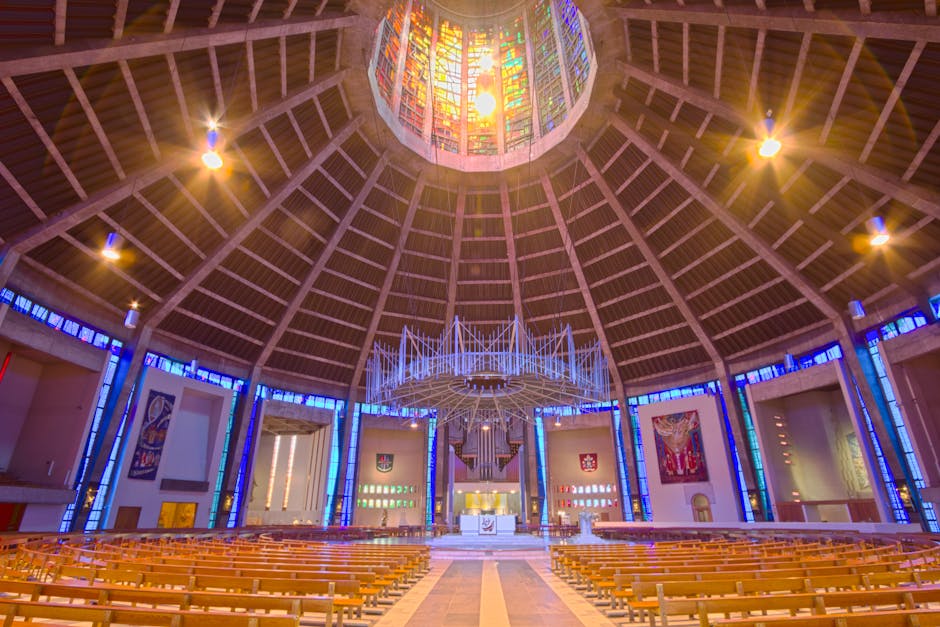
Every worship center construction project begins with a tension that no other building type carries. You are not simply erecting walls and a roof. You are shaping a space where marriages will begin, where grief will find comfort, and where generations will encounter something larger than themselves. That weight sits squarely on the shoulders of pastors, elders, and building committees who often have deep ministry experience but limited construction knowledge. Most contractor websites show you finished sanctuaries bathed in warm light, but they rarely explain how to get there: what it costs, how long it takes, what pitfalls await, and how to choose a partner who understands that a church is not a warehouse with pews. This comprehensive guide to worship center construction will equip you with the benchmarks and planning steps needed for a successful build in 2026, bridging the gap between your congregation's vision and the practical realities of bringing that vision to life.
Table of Contents
- Why a Dedicated Worship Center Construction Strategy Matters in 2026
- Phase 1: Assessing Your Needs: From Vision to Square Footage
- Phase 2: Budgeting for Your Worship Center Construction
- Phase 3: The Design and Planning Process
- Phase 4: Navigating Permits, Zoning, and Legal Compliance
- Phase 5: Choosing the Right Worship Center Contractor
- Real-World Project Benchmarks (2022 to 2026)
- Frequently Asked Questions About Worship Center Construction
- Start Your Worship Center Construction Journey with TekTone Builders
Why a Dedicated Worship Center Construction Strategy Matters in 2026
Congregations emerging from the post-pandemic era need fundamentally different spaces than churches built even fifteen years ago. Hybrid worship is no longer a temporary fix. It is a permanent expectation. That means your sanctuary must function as both a live gathering space and a broadcast studio, with lighting that flatters faces on camera and acoustics that translate cleanly through a livestream mix. Flexible, multi-purpose rooms have replaced the single-use fellowship halls of the past, and children's ministry areas now require check-in security systems that did not exist a generation ago.

Construction costs and material lead times remain volatile heading into 2026. Lumber, steel, and specialized AVL equipment still experience supply chain disruptions that can derail a project that was priced six months earlier. Proactive budgeting is not optional. It is survival.
The risk of hiring a general contractor without specific church experience is higher than most committees realize. A contractor who builds retail spaces or office parks may not understand sightline geometry, acoustic isolation between a crying nursery and the main sanctuary, or the traffic flow of hundreds of families moving between worship and children's check-in in a fifteen-minute window. Those mistakes are expensive to fix after the drywall is up. This guide fills the gap left by most portfolio pages, which show you what was built but leave you guessing about how to plan and what to pay.
Phase 1: Assessing Your Needs: From Vision to Square Footage
Before you interview a single contractor, your committee needs to define what you are actually building. Start with your ministry footprint. The sanctuary is the centerpiece, but it typically accounts for only 40 to 50 percent of the total square footage in a modern worship center. The rest goes to children's ministry classrooms, youth gathering spaces, a fellowship hall or lobby large enough for genuine connection, administrative offices, and support spaces like kitchens, restrooms, and storage. Underestimating these support areas is one of the most common planning errors, and it leads to cramped lobbies and Sunday school rooms that feel like afterthoughts.
Seating capacity should drive your sanctuary dimensions, and real project data provides useful benchmarks. A congregation of 300 to 500 people might target a 1,000-seat sanctuary to allow for growth and multiple services. Mid-sized churches often land in the 1,300 to 1,500-seat range, while large regional ministries have built sanctuaries seating 3,200 or more. The key is to plan for your projected attendance in ten years, not your current headcount. Building too small is far more expensive in the long run than building with room to grow.
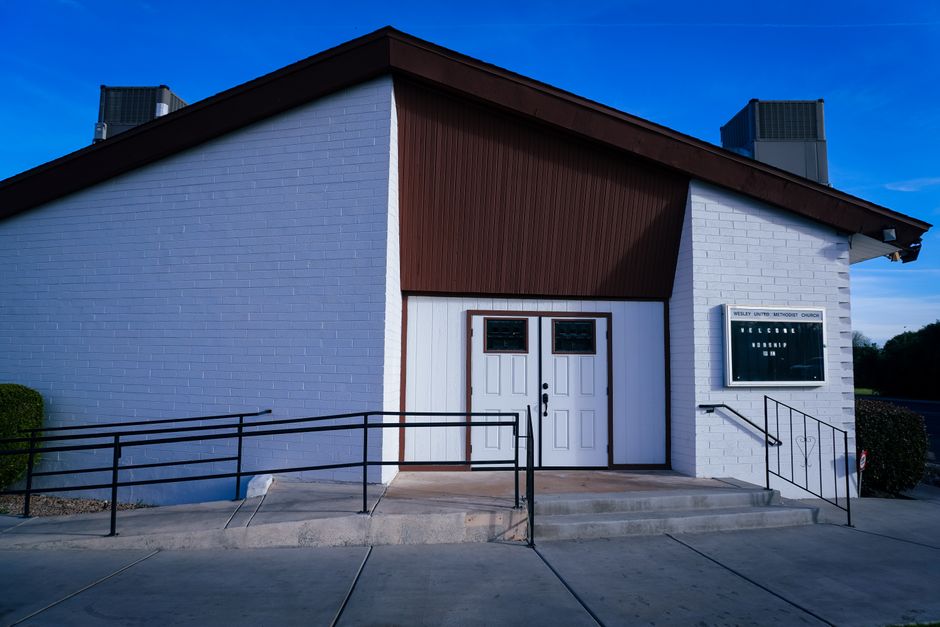
Total square footage scales with program complexity. Projects in recent years have ranged from compact 10,000-square-foot facilities serving smaller congregations to comprehensive 106,000-square-foot campuses that include dedicated children's wings, administrative suites, and multi-purpose gymnasiums. Your square footage target should emerge from a honest assessment of your ministry programs, not from a budget number you picked before understanding your needs.
You also face a fundamental choice: new construction, renovation, or adaptive reuse conversion. New builds offer complete design freedom but carry the highest cost per square foot and the longest timeline. Renovations work well when a congregation has outgrown its current facility but the bones are sound. Conversion projects, such as the 80,000-square-foot office building transformed into Iglesia Doral Jesus Worship Center, can offer significant cost savings and faster occupancy, though they require creative design to adapt office floor plates into worship and classroom layouts.
Phase 2: Budgeting for Your Worship Center Construction
Most contractor websites avoid publishing pricing data, and the reason is straightforward: costs vary dramatically by region, material selection, and project complexity. But that silence leaves church committees without a starting point, which is dangerous when you are trying to gauge whether a capital campaign goal is realistic.
National averages for worship center construction in 2026 generally fall into three tiers. A basic facility with simple finishes, a flat-floor multi-purpose worship space, and standard HVAC systems may run between $200 and $275 per square foot. A mid-range project with a dedicated sanctuary, quality AVL infrastructure, and well-appointed children's and lobby spaces typically lands between $275 and $400 per square foot. Custom or specialty builds with high-end architectural features, elaborate stage design, broadcast-grade acoustics, and extensive site work can exceed $450 per square foot. These figures are for total project cost including site preparation, not just the building shell.
Hidden costs deserve your attention before fundraising begins. Acoustic engineering and sound isolation are not luxuries. A sanctuary with poor acoustics undermines the worship experience every single Sunday, and retrofitting acoustic treatment after construction costs far more than designing it in from the start. AVL technology integration, including cameras, screens, lighting rigs, and the infrastructure to support them, can add $50 to $100 per square foot depending on sophistication. Parking lot expansion, landscaping, signage, and furniture are frequently omitted from initial budgets and then surface as unpleasant surprises during the final months.
Funding a worship center requires more than a building fund thermometer in the lobby. Some contractors, like Rodda Construction, have actively partnered with congregations during fundraising efforts, providing renderings, budget transparency, and phased construction plans that help donors visualize what their giving will accomplish. A phased approach, where the sanctuary and core spaces are built first and secondary spaces are completed as additional funds come in, can make a large project financially manageable. Consider engaging a church-focused capital campaign consultant before you engage a contractor. The two processes should run in parallel, not sequentially.
Phase 3: The Design and Planning Process
Designing a worship center is a collaborative process that should bring architects, contractors, and ministry leaders to the same table early. Needs assessment workshops, facilitated by your architect or a church planning specialist, help surface assumptions that different stakeholders may not realize they hold. The worship pastor envisions a stage large enough for a choir and band. The children's director needs secure check-in and classrooms that parents can observe without disrupting the class. The facilities team wants surfaces that clean easily and HVAC zones that do not heat and cool empty rooms all week. Reconciling these priorities before schematic design begins saves months of redesign later.
Architectural decisions carry spiritual and practical weight. Sightlines determine whether a person in the back row feels connected to what is happening on stage or feels like a spectator at a distant event. Natural light can enhance a worship environment or create glare that fights your video screens. Stage design must balance visibility, accessibility, and the flexibility to accommodate everything from a solo acoustic set to a full Christmas production. Acoustic engineering is not simply about making the room sound good for music. It is about controlling how sound travels between spaces so that a drum kit in the sanctuary does not rattle the nursery ceiling.
Technology integration must be designed into the building, not bolted on afterward. Conduit pathways, electrical capacity, structural support for lighting rigs, camera positions, and control room placement are all architectural decisions that affect the building's structure and layout. Retrofitting a building that was not designed for modern AVL is exponentially more expensive than planning it from day one.
Children's ministry spaces deserve particular attention because they are often the deciding factor for young families visiting a church for the first time. Indoor playgrounds, two-story slides, observable classrooms where parents can see their children without being seen, and efficient check-in kiosks communicate safety and excellence. These features are not gimmicks. They are pastoral tools that give parents the confidence to engage in worship knowing their children are secure and engaged.
Phase 4: Navigating Permits, Zoning, and Legal Compliance
Zoning presents unique challenges for worship centers. Many municipalities classify churches as conditional uses rather than permitted-by-right uses, which means your project requires public hearings and discretionary approval from planning commissions or city councils. Parking requirements are a frequent sticking point. A city may demand one parking space for every three seats, which can consume acres of land and a significant portion of your budget. Understanding these requirements before you purchase land or finalize a site plan is essential.
Building codes treat assembly occupancies differently than other building types. Fire safety requirements govern the number and width of exits, the flame-spread rating of finishes, and the need for sprinkler systems. Egress capacity calculations determine how many people can legally occupy your sanctuary, and getting those numbers wrong can force you to reduce seating below what your ministry needs. ADA accessibility extends beyond wheelchair ramps to include assistive listening systems, accessible stage access, and restroom design. Structural load requirements for sanctuaries with high ceilings, large clear spans, and suspended AVL equipment are more demanding than for typical commercial buildings.
Environmental and sustainability considerations are increasingly part of the conversation, both for stewardship reasons and for long-term operating cost savings. Energy-efficient HVAC systems, LED theatrical lighting, high-performance building envelopes, and solar-ready roof designs reduce the monthly utility burden that will eat into ministry budgets for decades. Some congregations pursue LEED certification as a visible commitment to creation care, though the certification process itself adds cost and documentation requirements.
Permitting timelines vary by jurisdiction but routinely add three to six months to a project schedule. Factor this into your planning and communicate it clearly to your congregation. A capital campaign that promises a groundbreaking in six months will lose credibility when the building permit takes eight.
Phase 5: Choosing the Right Worship Center Contractor
The contractor you select will shape not only your building but your entire experience of the construction process. Experience in church construction specifically is non-negotiable. A firm with ten, twenty, or even thirty years of dedicated church building, like Walker Design and Construction Co. in South Florida, has encountered the unique challenges of worship center construction before and solved them on someone else's dime. Ask how many churches of similar size they have completed, not how many buildings total.
Portfolio depth matters more than portfolio photography. Beautiful photos tell you the finished product looked good on the day the photographer visited. Ask to see project budgets, original timelines versus actual completion dates, and change order percentages. A contractor who delivers on budget with minimal change orders is worth more than one with a glossy website. Request references from churches that have been in their building for at least two years, long enough for any construction defects or design flaws to surface.
You will need to choose a project delivery method. A turnkey or design-build approach puts a single entity responsible for both design and construction, which simplifies communication and accountability for committees that do not have the bandwidth to manage multiple contracts. Construction management, where the contractor acts as a consultant during design and then manages subcontractors during construction, gives the church more control over subcontractor selection and pricing but requires more involvement from the building committee. Traditional design-bid-build, where the architect completes drawings and contractors bid on them, can yield competitive pricing but creates an adversarial dynamic if the low bidder discovers conditions the drawings did not address.
Post-construction support separates good contractors from great ones. A full-service warranty that covers workmanship and materials after you take occupancy, like the warranty Walker Design emphasizes, protects your investment during the period when building systems are settling in and any latent defects will appear. Ask specifically what the warranty covers, for how long, and how quickly the contractor responds to warranty calls.
Red flags include vague pricing that never firms up, an absence of local references you can visit, no experience with assembly occupancy codes, and a portfolio that is heavy on commercial work but light on sanctuaries. A contractor who cannot explain how they handle acoustic isolation or stage sightlines is not the right partner for your project.
Real-World Project Benchmarks (2022 to 2026)
Concrete examples ground your planning in reality. A small-scale project completed by PHB Inc. in Delaware delivered a 15,000-square-foot worship center in twelve months using a structural steel frame with metal stud construction and custom acoustic engineering. That timeline, start to finish, demonstrates what is possible when design is complete, permits are in hand, and weather cooperates.
A mid-scale conversion by BGW Services transformed an 80,000-square-foot office building in Doral, Florida, into Iglesia Doral Jesus Worship Center. Adaptive reuse projects like this one often move faster than ground-up construction because the shell, roof, and site work are already in place, though mechanical and electrical systems typically need complete replacement to serve assembly occupancy loads.
At the large end of the spectrum, R.S. Mowery built a 106,000-square-foot worship center in Lancaster, Pennsylvania, featuring a 1,500-seat main auditorium. Projects of this scale are typically phased over multiple years, with fundraising and construction proceeding in parallel stages so the congregation can occupy portions of the building while work continues on others.
Rodda Construction's Family Worship Center in Lakeland, Florida, illustrates the impact of designing for families. A 3,200-seat sanctuary anchors the campus, but the children's ministry wing, with its indoor playground, two-story slide, and observable classrooms, signals to every visiting family that this church invested in their children's experience, not just adult worship.
These benchmarks reveal a consistent truth: timelines, costs, and complexity scale with scope, but every successful project shares a foundation of thorough planning, realistic budgeting, and a contractor who understood the mission from the start.
Frequently Asked Questions About Worship Center Construction
How much does it cost to build a worship center per square foot? National averages in 2026 range from $200 to over $450 per square foot depending on finishes, AVL complexity, and regional labor costs. Mid-range projects typically fall between $275 and $400 per square foot for total project cost.
How long does it take to build a church from start to finish? A 10,000 to 15,000-square-foot facility can be completed in twelve to eighteen months once permits are issued. Larger projects of 50,000 square feet or more often require eighteen to thirty-six months, with phased occupancy possible along the way.
What is the average size of a worship center for a congregation of 500? A church of 500 typically needs 15,000 to 25,000 total square feet, with a sanctuary seating 600 to 800 to allow for growth and multiple services.
Can we convert an existing commercial building into a church? Yes. Office buildings, retail spaces, and warehouses have all been successfully converted into worship centers. The feasibility depends on ceiling height, column spacing, parking availability, and local zoning.
What permits are needed for new church construction? Requirements vary by jurisdiction but typically include a conditional use permit or zoning approval, site plan approval, building permit, and trade permits for electrical, plumbing, and mechanical work. Fire marshal approval is required for assembly occupancies.
How do we fund a worship center construction project? Most congregations combine capital campaigns, construction loans or bonds, and phased building approaches. Some contractors offer fundraising partnership support, providing materials that help congregations cast vision to potential donors.
Start Your Worship Center Construction Journey with TekTone Builders
A worship center is more than a construction project. It is a declaration of faith in the future of your congregation and the community you serve. The right building partner brings not only technical expertise but a genuine understanding of why you are building in the first place.
TekTone Builders offers turnkey service that carries your project from initial concept through the day you turn the key, with transparent budgeting at every stage and post-completion support that protects your investment long after the ribbon cutting. We understand that every design decision, every dollar allocated, and every week on the schedule affects real ministry happening in real communities.
Schedule a free consultation with our worship center construction team to discuss your vision, your timeline, and the practical steps that will move you from where you are to where God is calling you to be.
Related reading: Choose a Church Construction Contractor in 2026.