
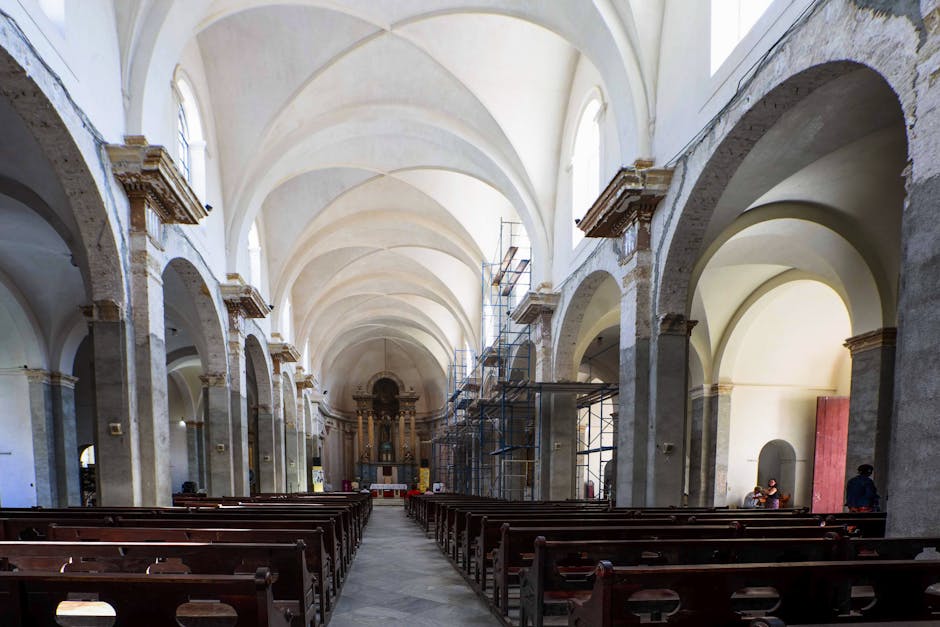
If your congregation is considering a church building renovation, you are not alone. Thousands of churches across the United States are evaluating how to modernize their spaces while honoring their history. This guide provides a practical, phased roadmap for planning, funding, and executing a renovation in 2026, regardless of your budget size. You will find actionable, research-backed guidance covering the full lifecycle from vision-setting to completion, with emphasis on cost management, contractor selection, and keeping your congregation engaged throughout the process.
Table of Contents
- Why Churches Are Renovating in 2026
- Step 1: Define Your Vision Before You Break Ground
- Step 2: Build a Realistic Budget (Even on a Small Church Budget)
- Step 3: Navigate Legal, Regulatory, and Denominational Requirements
- Step 4: Choose the Right Church Renovation Contractor
- Step 5: Keep Your Congregation Engaged During Construction
- Step 6: Execute in Phases for Minimal Disruption
- Technology Integration: Building for Hybrid Worship in 2026
- Sustainability and Energy Efficiency in Church Renovations
- Frequently Asked Questions About Church Building Renovation
- Conclusion: Your Church Building Renovation Starts Today
Why Churches Are Renovating in 2026
Three primary drivers are pushing churches toward renovation this year. First, shifting worship styles demand flexible, multi-purpose spaces that support both in-person and streaming capabilities. The post-pandemic reality means congregations expect their church to function as a hybrid ministry hub, not just a Sunday morning venue. Second, aging infrastructure is a pressing concern. Roughly 70 percent of US church buildings are over 30 years old, and deferred maintenance on roofs, HVAC systems, and electrical panels has reached a critical point for many congregations. Third, community outreach needs are expanding. Churches are adding food banks, youth centers, and event spaces to serve their neighborhoods, and outdated facilities simply cannot accommodate these programs.
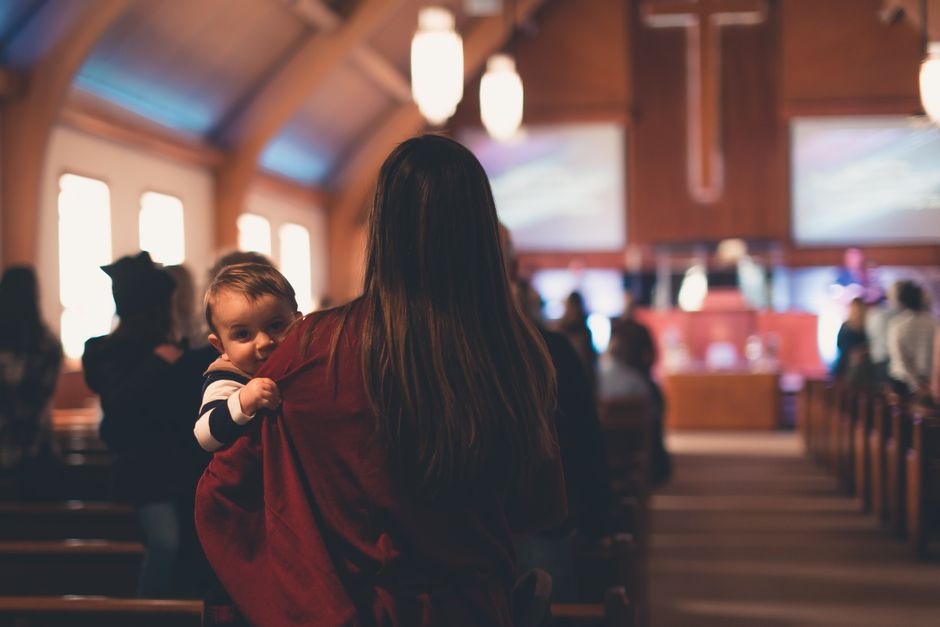
Demographic shifts add urgency. Many churches are renovating to attract younger families with updated children's areas, modern lobbies, and accessible design. Competitive pressure also plays a role. Neighboring churches with updated facilities are drawing attendance, and renovation is increasingly seen as a stewardship necessity rather than an optional expense. The building is not the church, but a well-maintained, functional building removes barriers to ministry.
Step 1: Define Your Vision Before You Break Ground
Assess What You Have vs. What You Need
Begin with a thorough facility audit. Evaluate structural integrity, HVAC system age and efficiency, electrical capacity, accessibility compliance under the Americans with Disabilities Act, and your current technology infrastructure. A professional building inspection can reveal hidden issues that would derail a renovation budget later.

Next, survey your congregation. Ask members what they love about the current space, what frustrates them, and what would help them invite friends and neighbors. Their answers often surface practical pain points that leadership overlooks: inadequate nursery space, poor acoustics in the fellowship hall, or a confusing entry flow for first-time visitors. Use this feedback to create a tiered priority list: critical repairs, mission-critical upgrades, and nice-to-have enhancements. This list becomes your decision-making filter when budget constraints force tradeoffs.
Choose Between Modern and Traditional Renovation Paths
Modern renovations focus on flexibility and technology. They involve removing fixed pews for flexible seating configurations, upgrading to LED lighting and digital displays, creating open lobby and gathering spaces, and adding café areas that encourage fellowship before and after services. These projects treat the sanctuary as a production facility capable of supporting both live worship and broadcast-quality streaming.
Traditional renovations emphasize preservation. They include restoring stained glass, repairing ornate plaster and woodwork, and preserving historical architectural features while discreetly updating mechanical systems. Many churches blend both approaches, modernizing function while preserving the character that makes their building sacred and meaningful to long-time members. The right path depends on your congregation's identity, your community context, and the condition of your existing structure.
Step 2: Build a Realistic Budget (Even on a Small Church Budget)
Understanding Cost Ranges for Church Renovations
Small-scale cosmetic updates such as paint, lighting, and flooring typically range from $15,000 to $50,000. Mid-range renovations that include new seating, audio and visual upgrades, and a lobby refresh generally fall between $50,000 and $250,000. Major renovations involving structural changes, new wings, or a full facility overhaul can exceed $250,000 and reach well past $1 million.
A compelling case study comes from Paragon 360, a firm that completed a small church remodel for under $100,000 in one week using prefabricated components built offsite. This approach minimized disruption and demonstrated that even congregations with limited budgets can achieve transformative results when they plan strategically.
Funding Your Renovation Without Breaking the Church
Capital campaigns remain the most common funding mechanism. Set specific, measurable goals: "Raise $150,000 for our new children's wing by June 2026." Vague appeals generate vague results. Phased giving allows members to pledge over 12 to 36 months, and digital giving platforms make recurring donations simple to set up and track.
Church renovation grants represent an underutilized resource. Faith-based foundations such as the Lilly Endowment offer grants for congregational development and facility improvement. Many denominations maintain foundation offices that provide capital grants to member churches. If your building has historic significance, preservation grants and tax credits may be available at the state and federal levels. Local community foundations sometimes fund capital projects that serve broader community needs, such as food pantries or event spaces.
In-kind donations can significantly reduce costs. Solicit materials from member-owned businesses and volunteer labor from skilled tradespeople in your congregation. An electrician, plumber, or painter in the pews can save thousands of dollars. Bridge loans offer short-term financing to start construction while pledges come in, but they require careful financial oversight and a realistic assessment of your congregation's giving capacity.
Step 3: Navigate Legal, Regulatory, and Denominational Requirements
Every renovation requires local building permits. Factor in four to twelve weeks for approval depending on your project's scope and your jurisdiction's workload. Starting construction without permits risks fines, stop-work orders, and complications with your insurance coverage.
Federal law requires accessibility improvements during renovations under the ADA. Wider doorways, ramps, accessible restrooms, and hearing loop systems are not optional add-ons. They are legal requirements and, more importantly, they remove barriers that prevent people from fully participating in worship and community life.
If your building is on the National Register of Historic Places or located in a historic district, you will need additional approvals before altering exterior features or significant interior elements. The upside is that preservation tax credits may offset some costs. Denominational approval processes also demand attention. Catholic dioceses, Methodist conferences, Baptist associations, and other bodies often require formal approval for major capital projects. Start this process early and build their review timelines into your project schedule.
Zoning considerations can affect your plans, particularly if you are adding community spaces. Parking requirements, noise ordinances, and limits on event frequency may constrain your design. Meet with your local planning department before finalizing architectural drawings.
Step 4: Choose the Right Church Renovation Contractor
Look for contractors with exclusive or extensive church renovation experience. A general contractor who "does churches sometimes" lacks the specialized knowledge required for sanctuary acoustics, liturgical flow, and phased construction around an active worship schedule. Ask for references from projects similar in size and scope to yours, and request site visit access to see their work firsthand.
Verify licensing, insurance, and bonding. Check the Better Business Bureau and local trade association memberships. Red flags include vague timelines, unwillingness to provide detailed line-item bids, and no demonstrated experience with phased construction. Specialized firms like Church Interiors Inc., which has over 40 years of experience and more than 11,000 church projects completed, bring institutional knowledge that general contractors cannot match. Regional companies that understand local building codes and supplier networks offer another strong option. Interview at least three firms and pay attention to how well they listen to your vision, not just how impressively they present theirs.
Step 5: Keep Your Congregation Engaged During Construction
Communicate early and often. Provide monthly updates from the building committee, post visual renderings in the lobby, and maintain a construction timeline on the church website. When members understand what is happening and why, they are far more patient with disruption.
Create spiritual touchpoints throughout the process. Hold a groundbreaking ceremony where the congregation prays over the site. Host a beam-signing event where members write scripture verses on structural beams before they are installed. Organize prayer walks through the construction zone. These moments transform a construction project into a shared spiritual journey.
Manage expectations honestly. Prepare members for noise, dust, parking disruptions, and temporary worship space changes. Celebrate milestones publicly: a wall-raising party, a topping-out ceremony, and a dedication service upon completion. Use the renovation season as a teaching opportunity on stewardship, vision, and the truth that the church is a living body, not just a building.
Step 6: Execute in Phases for Minimal Disruption
Phase one should address critical repairs and the most visible congregational pain points. Fix the roof, upgrade the HVAC, replace failing plumbing, and refresh the lobby and restrooms. These high-impact changes build momentum and demonstrate that leadership is addressing real needs.
Phase two tackles the worship space: sanctuary seating, lighting, audio and visual systems, and stage or platform redesign. Phase three addresses auxiliary spaces such as children's areas, youth rooms, the fellowship hall, and classrooms. Phase four covers exterior and grounds: parking lot resurfacing, landscaping, signage, and outdoor gathering spaces.
Phasing spreads costs across multiple budget cycles, allows your team to learn from early phases, maintains worship continuity, and keeps congregational momentum alive. A phased approach also gives you flexibility to adjust plans if giving patterns or ministry priorities shift mid-project.
Technology Integration: Building for Hybrid Worship in 2026
Streaming infrastructure is no longer optional. Dedicated camera positions, proper lighting calibrated for video, sound-treated spaces for clear audio, and reliable internet with backup connectivity are essential investments. Treat your sanctuary like a broadcast studio from the start, and you will avoid costly retrofits later.
Digital signage in the lobby replaces printed bulletins with dynamic announcements, service times, and giving prompts. Smart building systems, including programmable thermostats, automated lighting schedules, security cameras, and access control, can all be managed from a tablet. Future-proof your investment by running conduit for future wiring, installing extra electrical capacity, and choosing modular AV systems that can be upgraded as technology evolves. The production facility mindset means investing in acoustics, sightlines, and lighting design during the renovation rather than trying to compensate for poor design after the fact.
Sustainability and Energy Efficiency in Church Renovations
Energy savings from LED lighting retrofits can reduce electricity costs by 60 to 80 percent. Programmable thermostats and improved insulation typically pay for themselves within two to four years. Solar panels are increasingly affordable for churches thanks to federal tax credits of 30 percent through 2032 and various state-level incentives. Sustainable materials such as recycled carpet, low-VOC paints, FSC-certified wood, and water-efficient fixtures align with creation care values and attract environmentally conscious younger members. Long-term stewardship matters: every dollar saved on utilities is a dollar freed for ministry.
Frequently Asked Questions About Church Building Renovation
How long does a church renovation typically take? Small projects range from two to six weeks. Major renovations take six to eighteen months depending on scope and phasing. Can we renovate while still holding services? Yes. Most churches use phased approaches and temporary worship spaces such as gymnasiums, fellowship halls, or rented venues. What should we renovate first? Start with the space that has the greatest impact on visitor experience and member satisfaction, typically the lobby or sanctuary. Do we need a capital campaign for a small renovation? Not always. Many churches fund smaller projects through operating budget surplus, reserves, or targeted giving drives. How do we find church renovation grants? Start with your denomination's foundation office, then explore the Lilly Endowment's National Initiative, local community foundations, and historic preservation grant programs.
Conclusion: Your Church Building Renovation Starts Today
The six-step framework is straightforward: define your vision, build a realistic budget, navigate legal and denominational requirements, choose the right contractor, keep your congregation engaged, and execute in phases. Renovation is an act of stewardship, not just construction. It creates space for the next generation of ministry. Download a free church renovation checklist, schedule a consultation with a specialized contractor, or join a church leaders' renovation planning webinar to take the next step. The church is not the building, but the building serves the church. A thoughtful renovation honors your past, serves your present, and invests in your future.
Related reading: Church Sanctuary Renovation: The Complete 2026 Guide.
Related reading: Church Building Expansion: A Strategic Guide for 2026.
Related reading: Commercial Renovation Contractors: Plan a Smarter 2026 Upgrade.
Related reading: Garage Addition Contractors: What to Know Before Expanding in 2026.
Related reading: Church Classroom Addition: The Complete 2026 Planning Guide.