
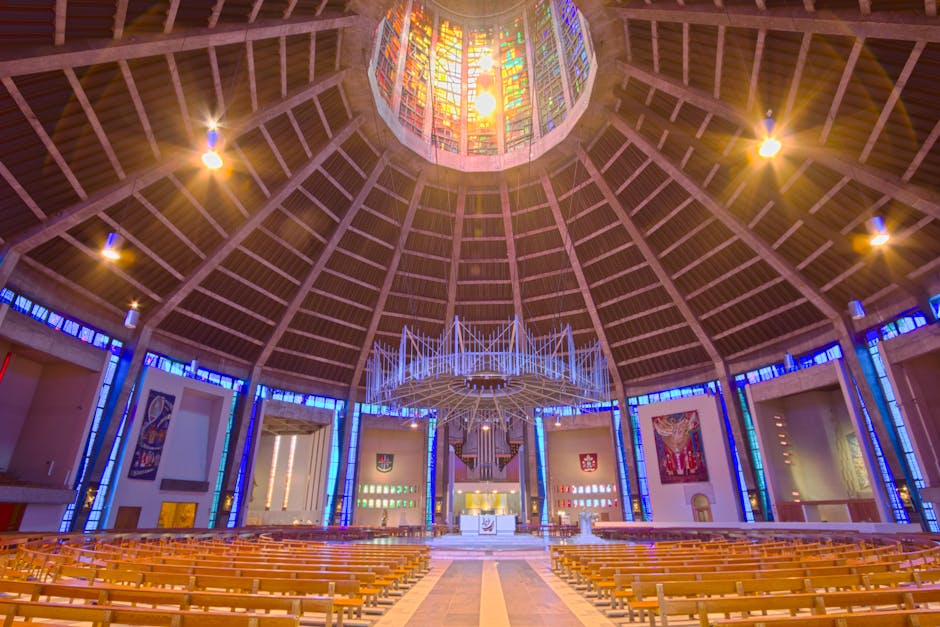
If your congregation is considering a church sanctuary renovation, you are balancing sacred tradition with the need for a space that serves today’s ministry. This is not simply a construction project. It is a spiritual undertaking that will shape how your church worships, welcomes visitors, and equips the next generation for decades to come. The weight of that responsibility can feel overwhelming, especially when you are navigating budget pressures, design decisions, and the inevitable tension between preserving history and embracing the future.
Table of Contents
- Is Your Sanctuary Ready for a Renovation? 3 Signs It’s Time
- Preserving History While Embracing the Future
- Seating Decisions: Pews, Chairs, or Something in Between
- Technology Integration for Modern Worship
- Creating Multi-Purpose Spaces Without Losing the Sacred
- Budgeting for a Sanctuary Renovation (What No One Tells You)
- Fundraising and Capital Campaigns That Work
- Navigating Permits, Zoning, and Denominational Approvals
- Timeline Expectations and Phased Renovation Strategies
- Post-Renovation: Maintenance, Warranties, and Stewardship
- The Spiritual Side of Renovation: Dedication, Baptism, and Community Rituals
- Frequently Asked Questions About Church Sanctuary Renovation
- Finding the Right Church Renovation Partner
- Start Your Sanctuary Renovation Journey
This guide walks you through the entire journey, from recognizing when it is time to renovate, through the practical realities of budgeting and permitting, to the final dedication service. You will find actionable guidance drawn from real church experiences, industry expertise, and the overlooked best practices that most renovation articles never address. Whether you are a pastor, a building committee member, or a trustee, the goal is the same: to help you steward your resources wisely and create a sanctuary that honors God and serves your congregation faithfully.
Is Your Sanctuary Ready for a Renovation? 3 Signs It’s Time
Most congregations do not wake up one morning and decide to renovate. The need accumulates gradually, often over years, until the evidence becomes impossible to ignore. Recognizing these signs early can save your church from costly emergency repairs and missed ministry opportunities.
Worn or outdated facilities are usually the first indicator. Carpets that have held decades of foot traffic begin to show their age with stains, fraying edges, and compressed padding that offers little comfort. Paint fades or yellows under years of artificial light. Pew cushions sag, their fabric worn thin or torn. Lighting fixtures that once felt warm and inviting now cast a dim, dated glow that makes the entire room feel tired. These physical signs affect more than aesthetics. They communicate to visitors whether your church cares about excellence and whether the space is worth returning to.
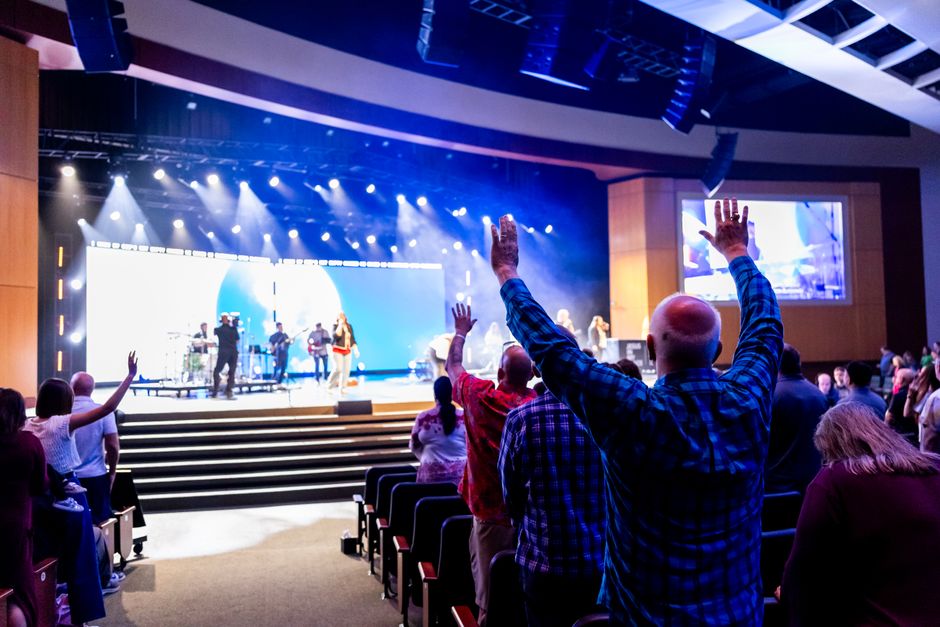
Limited technology capabilities represent a second major sign. Many older sanctuaries were built before projection screens, live streaming, and contemporary worship bands were even imaginable. If your sound system distorts at higher volumes, if sightlines to screens are blocked by architectural elements, or if there is no infrastructure for cameras and streaming equipment, your sanctuary is limiting your ministry reach. A space that cannot support modern worship technology will increasingly struggle to engage both current members and newcomers.
Safety and accessibility concerns are the most urgent signal that renovation cannot wait. Outdated electrical systems pose fire risks. A lack of ADA-compliant ramps, restrooms, and seating excludes members and visitors with mobility challenges. Single points of entry and exit create safety hazards during emergencies. These are not optional upgrades. They are essential responsibilities that protect your congregation and demonstrate care for every person who enters your doors.
Preserving History While Embracing the Future
One of the most delicate challenges in any church sanctuary renovation is honoring the architectural heritage of your building while creating a space that functions for contemporary worship. This tension is not a problem to solve but a balance to maintain, and it requires intentional decisions at every stage of design.
Working With Stained Glass, Woodwork, and Architectural Details
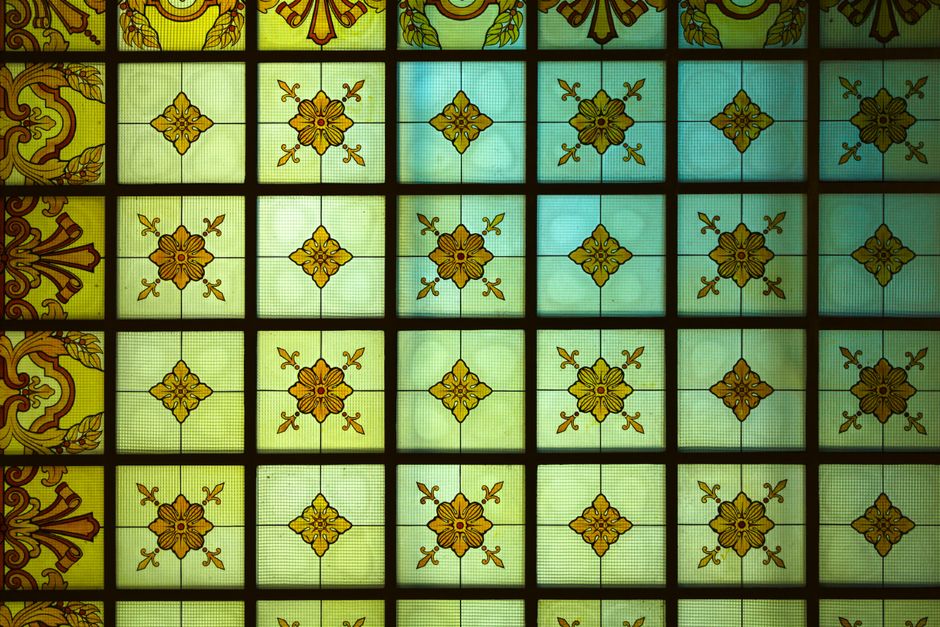
Historic sanctuaries often contain irreplaceable craftsmanship: stained glass windows, hand-carved woodwork, ornate moldings, and original millwork that tell the story of the congregation’s past. The first step is partnering with restoration specialists who understand historic materials. These craftspeople can repair rather than replace, matching original techniques and materials in ways that general contractors cannot. When stained glass needs attention, consider protective glazing on the exterior. This improves energy efficiency dramatically without altering the window’s appearance from inside the sanctuary. When expanding or reconfiguring spaces, replicate original trim patterns and wood species so that new sections feel continuous with old ones rather than tacked on.
Balancing Traditional Aesthetics With Modern Function
Modernization does not require erasing tradition. Warm gray color schemes have become popular in recent church renovations, particularly in sanctuaries with exposed wood beams. These neutral tones modernize the space without making it feel cold or corporate. Retain traditional altar or chancel elements as visual anchors while adding flexible staging platforms that can be configured for contemporary worship, drama, or special services. The most successful renovations layer modern lighting systems that can be dimmed or adjusted to complement historic architecture. Uplighting on stone walls, subtle accent lights on stained glass, and programmable scenes for different service styles allow one room to serve multiple worship expressions without compromising its character.
Seating Decisions: Pews, Chairs, or Something in Between
Few renovation decisions generate more discussion than seating. This choice affects worship style, room flexibility, comfort, and the overall feel of the sanctuary. Understanding the trade-offs helps congregations move past personal preference toward ministry-driven decisions.
Pews remain the traditional choice for good reason. They offer higher seating density, which matters for growing congregations working with limited square footage. Their long-term replacement cost is lower than chairs, and they carry a visual weight that contributes to the sacred atmosphere many churches want to preserve. However, pews are inflexible. They cannot be rearranged for concerts, community meals, or youth events. For congregants with back pain or mobility issues, fixed pews can make longer services genuinely uncomfortable.
Flexible chairs have become the standard for many churches undergoing renovation. They allow the sanctuary to transform into multiple configurations throughout the week, multiplying the ministry utility of the space. Modern worship chairs offer ergonomic support that pews cannot match, and staggered row arrangements improve sightlines to the platform. The trade-offs include higher upfront cost, the need for storage when chairs are removed, and a visual aesthetic that some congregations feel lacks sacred weight.
A hybrid approach works well for churches that want to preserve tradition while gaining flexibility. Keep pews in the main worship area but add chair sections in transepts or balconies for overflow seating and contemporary services. If replacing pews is not in the budget, ergonomic upgrades like cushions, lumbar supports, and kneeler pads can significantly improve comfort during longer services without the expense of a full seating replacement.
Technology Integration for Modern Worship
Technology decisions made during a renovation will affect your ministry for years. The temptation is to buy equipment first and figure out placement later. That approach almost always leads to expensive corrections.
Audio, Video, and Lighting (AVL) Systems
Invest in professional acoustical analysis before purchasing any sound equipment. The shape of your sanctuary, the materials on walls and ceilings, and even the type of seating you choose all affect how sound behaves in the room. Without this analysis, even expensive sound systems can produce muddled audio that frustrates both musicians and the congregation. Screen placement requires equal care. Position screens where they do not compete with architectural focal points like stained glass, the cross, or the altar. The goal is integration, not domination. Lighting design should follow a layered approach: ambient lighting for general illumination, task lighting for the podium and choir areas, and accent lighting to highlight architectural features and the baptistry. A well-lit sanctuary feels warm and inviting. A poorly lit one feels either cavernous or clinical.
Live Streaming and Recording Infrastructure
If your church live streams services or plans to start, run conduit and cabling during construction. Retrofitting cabling after drywall and finishes are complete multiplies costs and often forces unsightly surface-mounted solutions. Position cameras discreetly. Ceiling-mounted PTZ cameras controlled remotely can capture multiple angles without distracting from worship. Plan for adequate internet bandwidth and dedicated streaming hardware. Consumer-grade equipment that works for a home office will not handle the demands of multi-camera live production with reliable stability.
Creating Multi-Purpose Spaces Without Losing the Sacred
The question of whether a sanctuary should serve multiple purposes or remain exclusively set apart for worship is both practical and theological. Churches across the country are answering this question differently, and there is no single correct approach.
Designing a sanctuary to host concerts, conferences, community meals, and youth events does not mean it must feel like a gymnasium. Movable partitions, retractable seating platforms, and modular staging allow rapid transformation while preserving the room’s primary identity as a worship space. Keep the chancel area flexible with removable altar furniture, portable communion rails, and adaptable baptismal setups. The theological tension deserves honest conversation. A space set apart for worship can still serve the community without diminishing its sacred character. The key is intentional design that makes transitions smooth and preserves visual cues that this room is primarily a house of prayer.
Budgeting for a Sanctuary Renovation (What No One Tells You)
Honest budget conversations are rare in renovation literature, yet they are what church leaders most need. The numbers vary widely by region, scope, and sanctuary size, but realistic ranges help committees plan responsibly.
Small renovations focused on cosmetic updates and lighting typically start between $50,000 and $150,000. Full sanctuary overhauls that include AVL systems, seating replacement, and significant construction work range from $250,000 to over $1 million depending on square footage and finish quality. Hidden costs catch many churches off guard. Asbestos abatement in older buildings, electrical upgrades to support new technology, HVAC modifications for improved climate control, permit fees, and the cost of renting temporary worship space during construction all add up quickly. A practical budget allocation guide looks roughly like this: 30 to 40 percent for construction and trades, 20 to 30 percent for AVL technology, 15 to 20 percent for seating and finishes, 10 to 15 percent for design and permitting, and 5 to 10 percent held as contingency.
One distinctive approach worth considering comes from a church documented by Lifeway Research. Their congregation committed to tithing 10 percent of all renovation donations to missions, giving away $10,000 for every $100,000 raised. This practice reframed the entire capital campaign as an act of worship rather than a building fund drive, and it built remarkable congregation buy-in.
Fundraising and Capital Campaigns That Work
A successful capital campaign starts long before any public announcement. Begin with a feasibility study that surveys your congregation about giving capacity. This provides realistic data for setting a goal and reveals potential major donors who may be willing to lead the campaign. Create a case statement that connects the renovation directly to ministry outcomes: more baptisms, expanded community outreach, youth engagement, and accessibility for all. People give to vision, not to line items.
Pledge campaigns with three-year giving windows make large goals achievable for families who cannot write a single large check. Celebrate milestones publicly and frequently. When the congregation sees visible progress, giving often increases. Most importantly, involve the entire church body. Every gift, regardless of size, builds ownership and investment in the project. Major donors may fund the bulk of the work, but broad participation creates congregational unity that outlasts the renovation itself.
Navigating Permits, Zoning, and Denominational Approvals
The regulatory side of renovation is unglamorous but essential. Research local historic preservation rules early in the process. These regulations may restrict exterior changes, window replacements, or even paint colors if your building is in a historic district. Work with a contractor who has specific experience with church projects and understands the fire codes, occupancy limits, and ADA requirements that apply to houses of worship.
If your church governance structure requires denominational approval, factor that timeline into your planning. Some denominations have regional or national building committees that must review and sign off on major changes before work can begin. Plan for phased permitting if your renovation is large. Electrical, structural, and occupancy permits often come at different stages, and sequencing them correctly keeps the project moving without regulatory delays.
Timeline Expectations and Phased Renovation Strategies
Understanding how long a renovation will take helps congregations plan for disruption and maintain morale. Small cosmetic renovations typically run four to eight weeks. A full sanctuary renovation with AVL, seating, and construction work usually takes four to nine months. Complex projects involving structural changes can extend to nine to eighteen months.
A phased approach allows the church to remain operational throughout the process. Complete the sanctuary first, then move sequentially through foyer, classrooms, and fellowship hall. During sanctuary construction, hold services in the fellowship hall, gym, or a rented nearby space. Communicate the timeline clearly and repeatedly so the congregation understands the temporary inconvenience and can see the progress toward completion. Dedicate each completed phase with prayer and thanksgiving. These smaller celebrations maintain momentum and keep the spiritual purpose of the renovation front and center.
Post-Renovation: Maintenance, Warranties, and Stewardship
The work does not end when the final coat of paint dries. Create a maintenance schedule for all new systems: HVAC filters replaced quarterly, AVL firmware updated monthly, carpet and flooring cleaned according to manufacturer protocols. Document every warranty and vendor contact in a central binder that your facilities team can access easily. Train volunteer tech teams on proper operation of new AVL equipment. Well-meaning but untrained operators can damage sensitive systems through simple misuse. Plan a one-year walkthrough with your contractor to address any settling, cracking, or system adjustments while warranties are still in effect.
The Spiritual Side of Renovation: Dedication, Baptism, and Community Rituals
A sanctuary renovation is ultimately a spiritual endeavor, and the dedication should reflect that. The Lifeway Research case study offers a powerful example. Before the final flooring was installed, the church opened the sub-floor to congregants, who wrote prayers directly on the wood. Those prayers remain underfoot, a hidden testimony that the building rests on a foundation of faith. During the sanctuary dedication service, the church baptized ten people, tying the physical renewal of the space to the spiritual renewal of lives. Invite the entire community, not just members, to a dedication open house. This turns the renovation into an outreach event that welcomes neighbors who might never attend a regular service. Commission the renovated space with prayer, scripture reading, and congregational participation. The building serves the mission, not the other way around, and the dedication should affirm that truth.
Frequently Asked Questions About Church Sanctuary Renovation
How much does a church sanctuary renovation cost? Costs range from $50,000 for cosmetic updates to over $1 million for comprehensive overhauls. The variables include sanctuary size, finish quality, technology scope, and regional labor rates.
How long does a sanctuary renovation take? Small projects finish in four to eight weeks. Full renovations typically require four to nine months. Complex structural work can extend to eighteen months, and phased projects spread the total duration across multiple stages.
Can we renovate while still holding services? Yes, with careful phasing and a plan for temporary worship space. Many churches move services to a fellowship hall or gym during sanctuary construction.
Do we need a permit to renovate a church? Almost always yes. Building, electrical, and occupancy permits are standard requirements. Historic districts may impose additional restrictions.
How do we fund a sanctuary renovation without a large budget? Capital campaigns with multi-year pledges allow congregations to raise significant funds over time. The tithing-to-missions model can also increase giving by connecting the renovation to outward-focused ministry.
Finding the Right Church Renovation Partner
The contractor you choose will shape every aspect of the project. Look for companies with exclusive church experience, not general contractors who occasionally take on church work. Ask for references from churches with similar scope and denominational context. Verify licensing, insurance, and bonding before signing any contract. Request a detailed scope of work with line-item pricing rather than a lump sum that obscures what you are actually paying for. Consider all-in-one renovation specialists who handle design, construction, AVL, and seating under one roof. This integrated approach reduces coordination headaches and ensures that every system works together from day one.
Start Your Sanctuary Renovation Journey
A successful church sanctuary renovation balances tradition with innovation, budget with vision, and practical planning with spiritual purpose. The decisions you make now will shape how your congregation worships, welcomes, and serves for years to come. If you are ready to take the next step, reach out to a qualified church renovation specialist who can help you assess your space, develop a realistic budget, and create a plan that honors both your heritage and your future. Your sanctuary is more than a building. It is a tool for ministry, and it deserves the same care and intentionality you bring to every other aspect of your church’s mission.
Related reading: Hiring Commercial Church Builders: 2026 Complete Guide.
Related reading: Church Renovation Contractor Tulsa: A Complete Guide.